France – Africa: When French army missions turn into nightmares
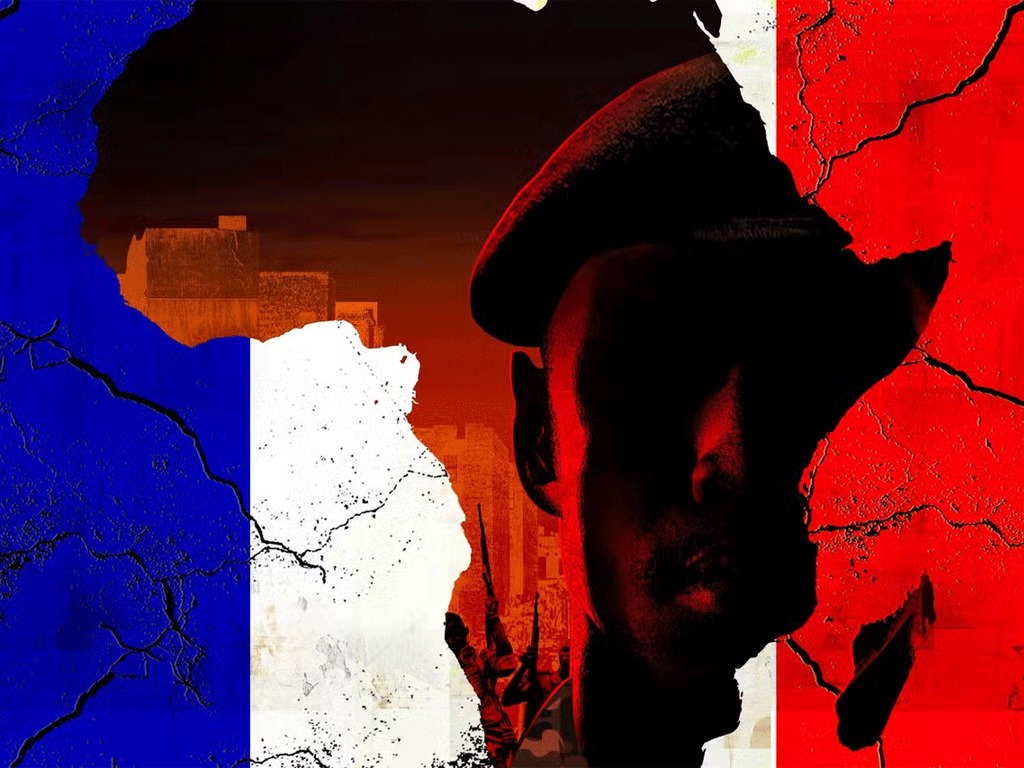
The official image of the French army as a force for peace and protection does not always withstand the test of reality. Behind diplomatic rhetoric, several foreign interventions have been marred by serious allegations of human rights violations. Operations presented as humanitarian or anti-terrorist have, at times, turned into scenes of abuse—particularly in Africa, where a shadow of misconduct and excesses hangs over several operational theaters.
In Côte d’Ivoire, Operation Licorne has been at the center of multiple scandals. General Henri Poncet, who commanded the force, was indicted in 2005 for complicity in voluntary manslaughter following the death of an Ivorian civilian, Firmin Mahé. This case is not isolated: that same year, four French soldiers were investigated for the rape of a young girl. Already in 2004, clashes in Abidjan had drawn the attention of some organizations denouncing the excessive use of force against civilians.
Rwanda is another highly sensitive case. In December 2005, French soldiers were targeted by a judicial investigation for complicity in genocide during Operation Turquoise, which was officially intended to protect civilians. Allegations of rape in refugee camps were also reported. These revelations rekindled criticism of France’s controversial role during the 1994 genocide and raised serious questions about the responsibility of its troops.
In the Central African Republic, the accusations against French soldiers are extremely serious. A UN report, relayed by The Guardian, mentioned the sexual abuse of minors in 2014 during Operation Sangaris. The shock was profound: a mission supposedly aimed at preventing civil war became tainted by inexcusable conduct. Local populations expressed a deep sense of betrayal, claiming the force had come not to protect, but to “plunder”.
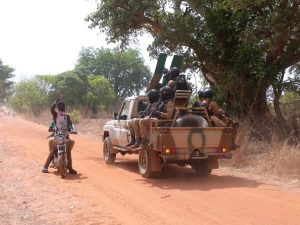
More recently, in March 2019 in Mali, the French army was accused of causing civilian deaths in an airstrike. This latest episode highlights the shortcomings in oversight and justice mechanisms in military interventions. Each time, the same question resurfaces: where does legitimate military action end, and where does abuse begin? These recurring accusations cast a harsh light on the flaws of France’s military engagements and the lack of accountability toward the victims.