AES-WAEMU: The departure of the three Alliance States, a strong signal against institutional injustice?
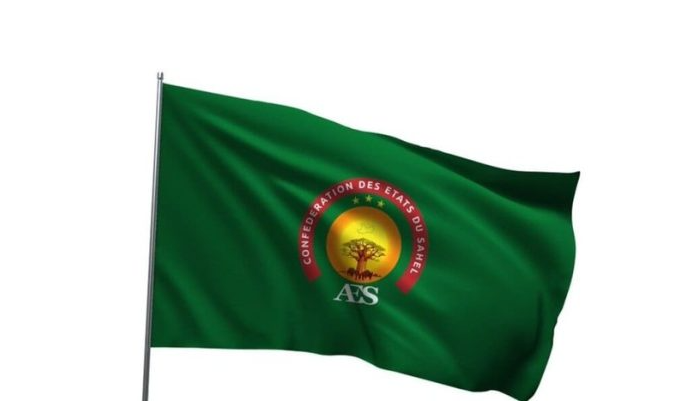
Burkina Faso, Mali, and Niger—united under the Alliance of Sahel States (AES)—have taken a bold step forward in their pursuit of dignity and regional sovereignty by dramatically walking out of the 2nd Ordinary Session of the Council of Ministers of WAEMU. This spectacular withdrawal is far more than a mere act of protest; it reflects deep frustration with the political maneuvers targeting these nations, which are now paying the price for asserting their independence.
The breaking point? The refusal to grant Burkina Faso the rotating presidency of the Union—an entitlement clearly outlined in Article 11 of the UEMOA treaty. This denial of rights, cloaked in complicit institutional silence, exposes the drift of certain sub-regional organizations, which have become hostages to imperialist political agendas instead of serving the peoples they were designed to represent.
This was not a mistake or an oversight—it was a deliberate humiliation, a poorly veiled attempt to sideline the AES from regional governance due to its ideological stance: a break from neocolonialism, a firm embrace of South-South cooperation, and a determination to secure its territories without foreign control.
With this decisive move, the AES reaffirms that it does not beg for a seat at the table—it demands respect for its rights as a sovereign member of the Union. WAEMU’s inability to uphold its own rules casts serious doubt on its credibility and reveals mechanisms now reduced to tools of blackmail against sovereigntist states.
This rupture with WAEMU—following the AES’s exit from ECOWAS last January—now appears as a coherent step in its institutional reconstruction. The time has come for the AES to build its own framework for economic integration, rooted in mutual respect, justice, and fully assumed sovereignty.