Burkina Faso / Faso Andubè: A technological lever for national industrialisation
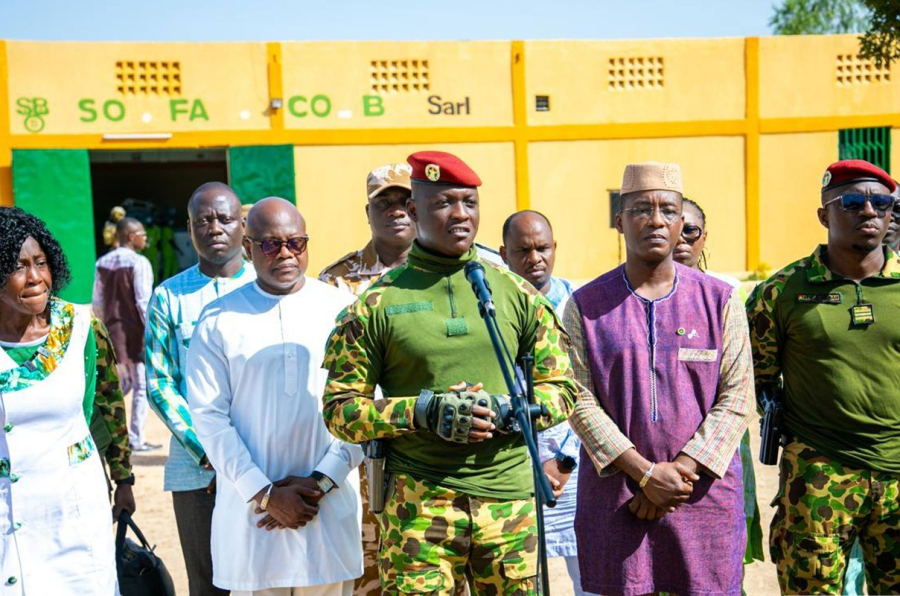
In a global context where technological self-sufficiency is a major priority for nations, Burkina Faso is charting its own path to industrialization with a bold vision championed by President Ibrahim Traoré. The presidential initiative named “Faso Andubè” marks a decisive step in valorizing endogenous talent, particularly in scientific, technical, and technological fields.
Faso Andubè, a digital platform now accessible to all Burkinabe at home and abroad, provides a space to present, promote, and support local innovation and manufacturing projects.
The objective is clear: to stimulate a dynamic of national production for equipment, machinery, and technical solutions tailored to the country’s realities, while creating a robust and sustainable industrial ecosystem.
This approach is part of an unequivocally patriotic vision to base Burkina Faso’s development on local intelligence and skills, which have long been neglected or underutilized.
The Head of State is sending a strong signal: the nation’s industrial future will not be built on massive imports or technological dependence, but on the creativity, innovation, and ingenuity of its people.
Through Faso Andubè, President Ibrahim Traoré is betting not only on technological sovereignty but also on inclusion and citizen participation.
Engineers, inventors, artisans, young researchers, and self-taught individuals are all called upon to contribute to the national endeavor.
This inclusive approach also provides a concrete response to the discouragement faced by many Burkinabe talents whose inventions, for lack of support, often fade into obscurity.
This is therefore not merely a digital project, but a genuine strategic lever for the country’s industrialization, driven by a spirit of independence, efficiency, and resilience.
By connecting local intelligence with concrete needs, Faso Andubè builds a bridge between Burkinabe know-how and the long-awaited structural transformation.
This initiative is commendable and deserves the support of all stakeholders institutions, the private sector, and civil society to foster a new generation of “Made in Burkina” creators, builders, and industrialists. The future of the nation may well be forged here, in the union of political vision and popular genius.
Olivier TOE