Burkina Faso – Côte d’Ivoire: Towards a new era of peaceful cooperation
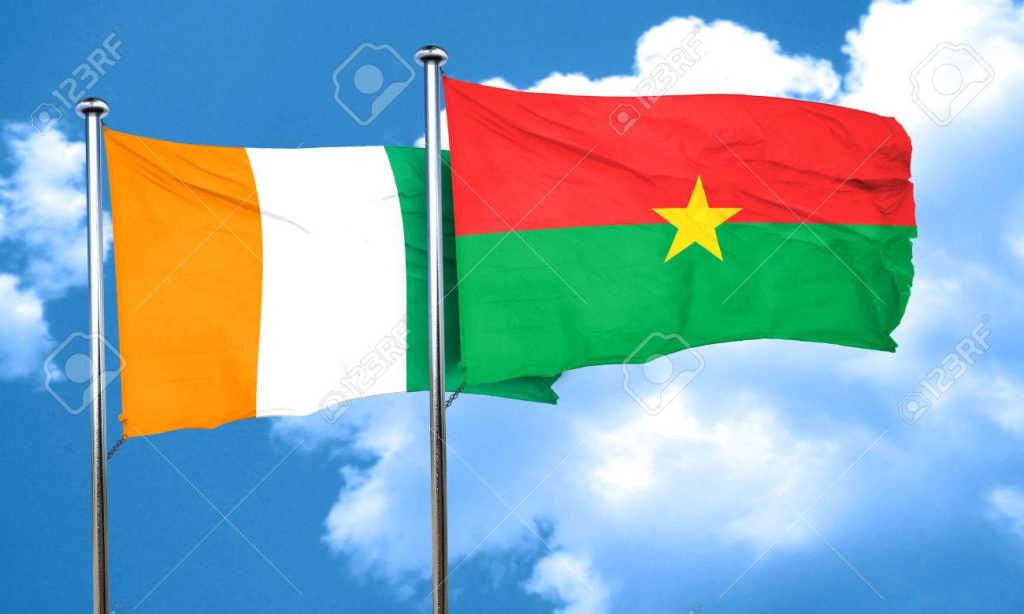
In a regional context marked by security and diplomatic tensions, the recent visit to Ouagadougou by Ivorian Minister Delegate for African Integration, Adama Dosso, represents a strong and highly symbolic signal. The warm welcome extended to him by Burkinabe authorities goes beyond mere protocol; it reflects a deliberate and expressed political will on both sides to revive the spirit of fraternity and constructive cooperation that has historically defined their relations.
This step is all the more significant as it comes after a complex period during which bilateral relations suffered setbacks, marked by distrust and misunderstandings fueled by several factors, including the security crisis in the Sahel.
The presence of a high-level Ivorian personality in Ouagadougou for direct and frank discussions acts as a powerful antidote to these past tensions.
It embodies the political maturity of both nations, capable of transcending temporary disputes to prioritize the higher interests of their peoples.
Burkina Faso, true to its reputation as the Land of Honest People, demonstrates here its consistent commitment to promoting a diplomacy of peace and good neighborliness.
This is not about forgetting differences, but a courageous choice to overcome them through dialogue.
The goal is to restore calm regional cooperation, essential in facing transnational challenges such as terrorism.
This determination is rooted in the reality of the deep and historical human ties that unite the Burkinabe and Ivorian peoples a shared destiny forged by decades of migration, cultural exchanges, and family solidarity.
The path toward full and lasting normalization will undoubtedly be long and require concrete gestures from both sides. However, this visit opens an essential breach in the wall of distrust.
It proves that political will exists and can overcome narratives of division. By choosing the path of reconciliation, Burkina Faso and Côte d’Ivoire send a positive message to the entire sub-region: that solutions are found through dialogue and mutual respect, never through isolation or animosity.
This progress, however fragile it may be, deserves to be acknowledged and encouraged.
It offers a glimmer of hope and a model for resolving disputes through diplomacy.
The interests of the peoples, who aspire above all to stability and shared prosperity, must guide each further step on this path of reconciliation.
Cédric KABORE