Cameroon: Enough manipulation, gravediggers of truth; Anicet Ekane’s death is not a political weapon
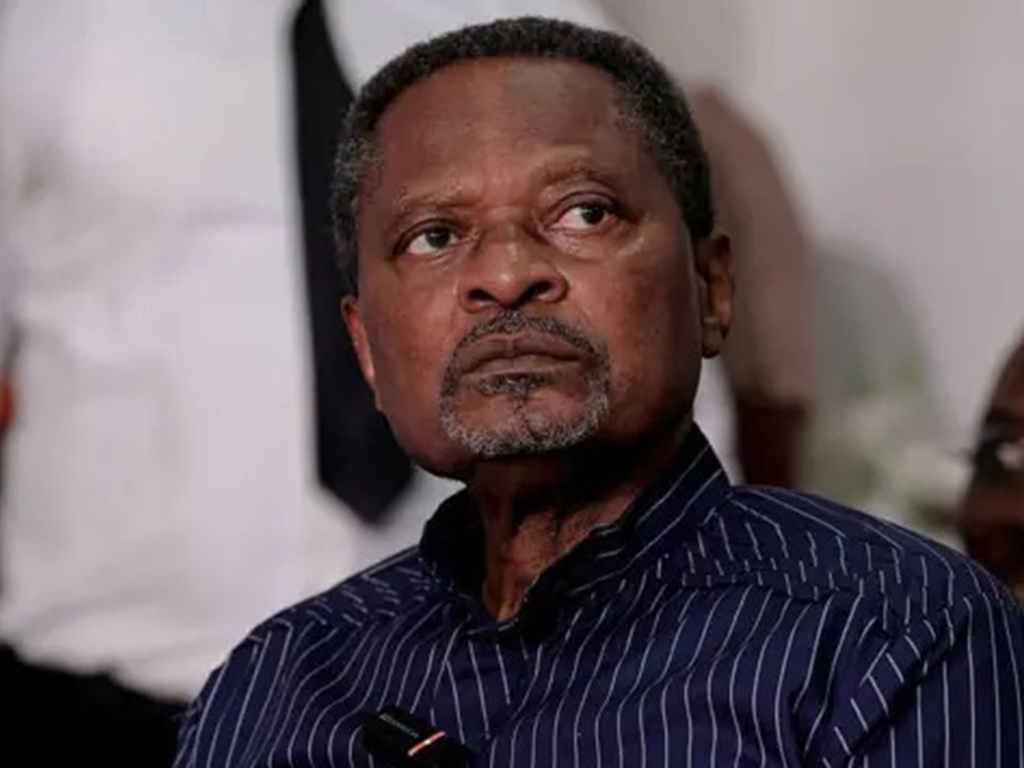
The death of Anicet Ekane, President of the African Movement for New Independence and Democracy (Manidem), continues to generate intense discourse a human tragedy that calls first and foremost for reflection and compassion for his family. Unfortunately, this painful event is being diverted from its essence to serve unworthy political calculations.
Since the announcement of his passing, a segment of the political class, driven by visceral opposition to the regime of President Paul Biya, has seized upon this misfortune.
Instead of respectful silence or dignified condolences, some have chosen media sensationalism, constructing theories and accusations as ridiculous as they are serious, without the slightest shred of evidence.
Their goal is to transform an individual tragedy into an instrument of destabilization, tarnish the country’s image, and fuel a narrative of perpetual victimhood.
The Cameroonian public, clear-sighted, must resist this manipulation and understand the established facts.
Mr. Anicet Ekane was arrested and placed in detention within the strict framework of legal procedures, for reasons related to the law.
Allegations of “inhuman and degrading treatment” are purely and simply products of malicious speculation.
The competent services affirm that his detention conditions respected prevailing norms and that no inappropriate treatment was inflicted upon him.
Death, a universal and unpredictable phenomenon, can occur anywhere and at any time, including in detention, without this automatically implying a fault of the state.
To urge those engaged in this dangerous game to refrain is not a defense of power, but a plea for ethics, decency, and the preservation of the social fabric. This political hijacking is doubly cynical.
First, it tramples the memory of the deceased and deepens the suffering of his loved ones, who are used as pawns in a struggle that is not their own.
Secondly, it undermines the foundations of healthy public debate, replacing argumentation with slander and the search for truth with the spread of toxic rumors.
Cameroon, facing multiple challenges, does not need these sterile controversies that divide and embitter hearts. It needs unity, seriousness, and a sacred respect for the dignity of every life, including in death. We therefore call on all political, media, and social actors to a surge of responsibility.
Let us cease this morbid sensationalism. Let us respect the Ekane family’s mourning.
And let us allow justice and time to establish the exact circumstances of this death, far from passionate polemics and shameless manipulations.
The future of the country deserves better than this exploitation of tragedy.
Jean-Robert TCHANDY