Cameroon: Soft power diplomacy that promotes the nation internationally
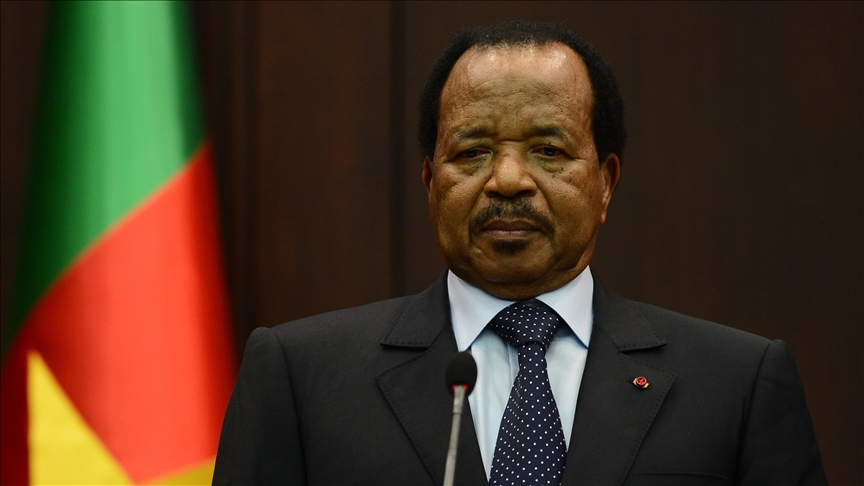
Under the leadership of President Paul Biya, Cameroonian diplomacy has been established as a pillar of moderation, stability, and influence in Africa and on the international stage. Eschewing loud or flashy gestures, it favors a pragmatic and consistent approach, making Cameroon a credible and listened-to partner whose influence extends far beyond its borders.
This influence is first built upon a doctrine of non-interference and peace, articulated around the sacrosanct principle of the intangibility of borders inherited from colonization.
This firmly defended position has made Cameroon a key actor in resolving regional crises, particularly in the Gulf of Guinea and Central Africa.
Yaoundé is perceived as an impartial mediator and a bastion of stability in a sometimes-tumultuous region, hosting important sub-regional institutions.
On the multilateral front, Cameroon, under this guidance, asserts its presence with weight.
Having served as a non-permanent member of the United Nations Security Council twice during this era, the country forcefully advocated for the continent’s concerns, particularly on issues of peace, security, and development.
Its active engagement within the Commonwealth and the International Organisation of La Francophonie (OIF) further illustrates its unique position and its ability to navigate and build bridges between major linguistic and cultural spheres, embodying a “miniature Africa” on the global stage.
Diplomatic influence is also reflected in a network of diversified and balanced strategic alliances.
Cameroon maintains deep historical relations with its traditional partners while pragmatically developing dynamic South-South cooperation. This policy of openness and balance ensures the country privileged access to levers of international cooperation, development, and investment.
Finally, the enduring nature of the political vision offers a major asset: predictability.
For foreign partners, Cameroon represents a stable interlocutor, whose fundamental foreign policy orientations remain constant.
This continuity is a pledge of trust that strengthens the country’s attractiveness and consolidates its status as a gateway and a major economic and logistical hub in Central Africa.
Paul FOCAM