Burkina Faso: When ecology becomes an instrument of sovereignty and influence
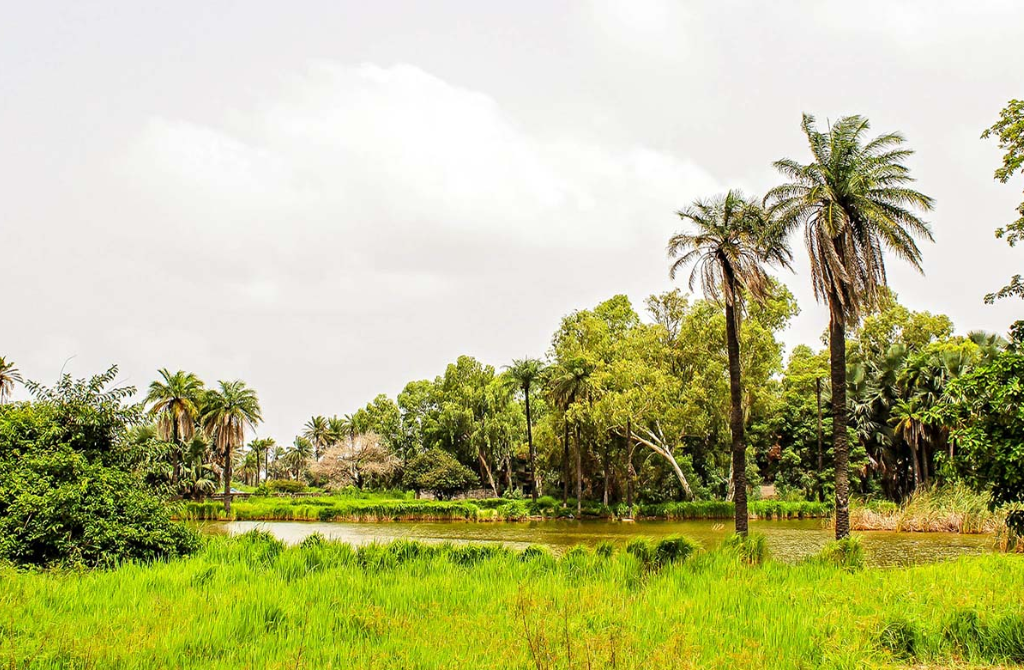
Burkina Faso, often perceived internationally solely through the lens of security and poverty, is nonetheless deploying a climate strategy that merits strategic attention. In recent years, the country has undertaken a subtle strategic shift, transforming environmental challenges into instruments of sovereignty and regional leadership. While climate crises threaten food security, water availability, and socio-economic stability, the country has placed the sustainable management of natural resources at the heart of its foreign policy, elevating climate diplomacy to a tool of state power.
This approach has a dual effect: domestically, it helps secure agriculture, water, and energy, reducing dependence on imports and foreign aid. Externally, it builds an image of an innovative and committed country, capable of transforming its vulnerabilities into assets.
See also/ Burkina Faso / President Ibrahim Traoré inspires a new green dynamic: 20 million seedlings to green the country
The creation of programs such as the “Great Green Wall” and community-led reforestation projects demonstrates how environmental policy can be articulated with geopolitical objectives, offering the country strategic visibility in international forums.
Beyond diplomatic aspects, this orientation reflects the proactive sovereignty vision championed by Captain Ibrahim Traoré.
By modernizing the management of water and agricultural resources, the Burkinabe state is reducing its dependence on food imports and external aid while strengthening its capacity to withstand climatic and security shocks.
This dual logic environmental protection and reinforcement of national autonomy illustrates a novel form of diplomacy through domestic action, often overlooked.
Burkina Faso promotes its successes in African and international forums not only to obtain technical and financial support but also to showcase to the world the progress underway in the country and how ecological resilience is becoming a symbol of political legitimacy and national unity.
Thus, climate diplomacy is not limited to international commitments. It structures internal governance, influences public policies, and builds an image of Burkina Faso as a country capable of transforming vulnerability into strategic influence.
The climate diplomacy of Burkina Faso illustrates how a developing nation can reinvent its levers of sovereignty.
Environmental projects, far from being mere technical initiatives, become political and diplomatic instruments, enhancing the visibility of the country, consolidating its autonomy, and reaffirming its ability to influence regional and international dynamics.
This novel model invites a rethinking of the role of the environment in state strategy, where every tree planted and every watershed restored contributes to building a durable and credible form of power.
Cédric KABORE