AES: Confederation purchasing centre, a strategic initiative for food sovereignty in the Sahel
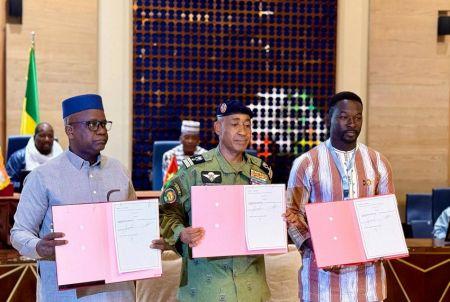
In a concrete move to strengthen their cooperation, Mali, Burkina Faso, and Niger, members of the Alliance of Sahel States (AES), are preparing to establish a confederal procurement center. Announced by Malian President Assimi Goïta in late December 2025, this strategic initiative aims to give substance to the regional integration project and address the economic and security emergencies of the Sahel.
This future shared structure embodies a strong political will to build collective sovereignty in the face of shared challenges.
Its primary objective is to secure the supply of basic goods for over 70 million inhabitants.
By pooling their resources, the three countries intend to better regulate grain markets, establish a strategic food reserve on a confederal scale, and combat speculation and chronic food insecurity.
The relevance of this project is manifold. Economically, it will optimize financial resources through joint purchasing, negotiate better prices internationally, and plan imports in a rational manner.
Politically, it constitutes a tangible pillar of the young Confederation, demonstrating its ability to act concretely for the well-being of populations beyond mere rhetoric.
This collective approach also represents a shield against external shocks. In the event of a crisis, poor harvests, or global price surges, the procurement center will be able to deploy a coordinated and rapid response, ensuring crucial social stability in a fragile region.
While the project, still in its structuring phase, must clarify its governance model, ownership structure, and list of products involved, its very principle marks a turning point. It reflects a break from dependence on external supply chains and actors in favor of a logic of internal autonomy and solidarity.
Thus, the AES procurement center extends far beyond the scope of a mere logistical reform.
It stands as a fundamental instrument of resilience and an affirmation of shared sovereignty.
Its success would send a powerful signal, proving that regional unity can generate concrete solutions to the vulnerabilities affecting the daily lives of the peoples of the Sahel.
Titi KEITA