DRC: From Washington to Luanda, the strategic shift towards African mediation
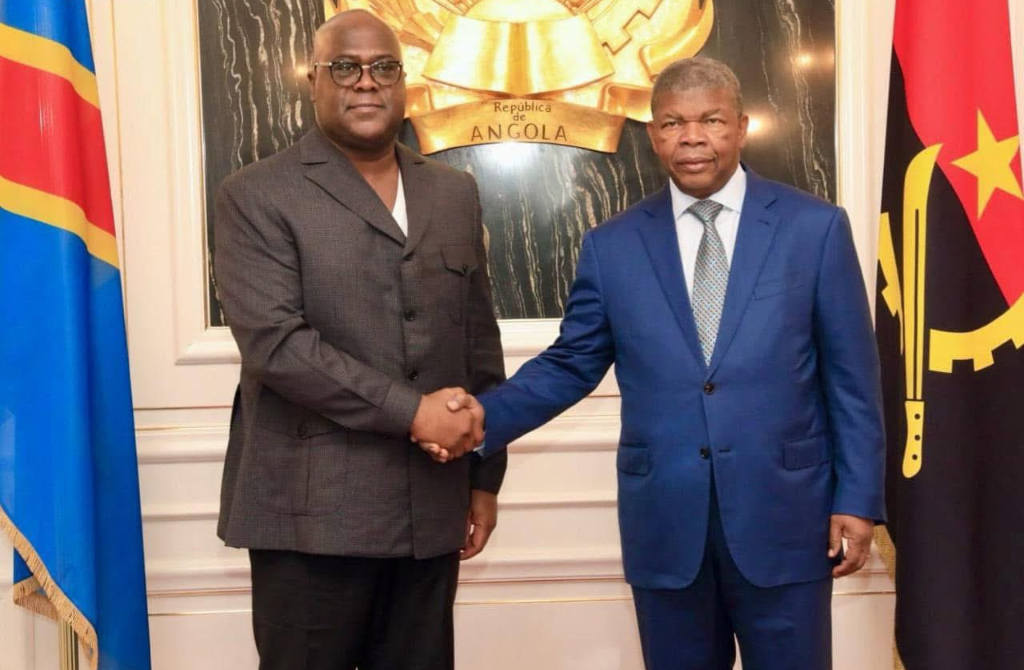
As the eastern Democratic Republic of Congo (DRC) sinks deeper into instability, diplomatic efforts are intensifying. The recent working visit of President Félix-Antoine Tshisekedi to Luanda on January 5, 2025, marks a pivotal moment in the country’s quest for stability.
Welcomed by his counterpart João Lourenço, the African Union-appointed mediator, the Congolese head of state sought to revive dialogue after a series of military setbacks on the ground.
This meeting, though brief, underscores the mutual dependence of nations in the region to resolve a conflict that, in Tshisekedi’s words, remains an “imposed war.”
By describing Angola’s new proposals as “very interesting,” the Congolese president is betting on a reinforced African diplomatic approach to overcome the limitations of previous international commitments.
The stakes of this meeting are even higher given the recent sharp deterioration in the security situation, despite the signing of the Washington agreements under the auspices of Donald Trump.
The temporary occupation of Uvira by the AFC/M23 coalition served as a shock, revealing the fragility of internationally negotiated ceasefires.
Kinshasa’s distrust regarding the announced rebel withdrawal illustrates a profound deadlock.
While American diplomatic pressure is being exerted for the rebels to pull back 75 kilometers from the city, the reality on the ground shows renewed hostilities and a systematic violation of the Washington commitments, further worsening the humanitarian crisis toward Burundi.
In terms of national development, this chronic instability remains a major obstacle to the DRC’s economic emergence. The threat to Uvira, a strategic gateway to Greater Katanga, jeopardizes one of the country’s economic lifelines.
No development-focused reform can succeed without securing trade routes and achieving lasting stability.
The inability to pacify the East diverts public resources toward the war effort, discourages structured investment in the Kivu and Sud provinces, and deepens the precariousness of local populations. Resolving this crisis is therefore an indispensable prerequisite for transforming the DRC’s natural potential into a lever for real growth.
Ultimately, the immediate future of this mediation will be decided in Zambia, during the ministerial meeting of the International Conference on the Great Lakes Region (ICGLR) scheduled for January 8–10 in Livingstone.
This summit, bringing together twelve defense ministers, must translate the Luanda proposals into concrete operational measures. The multiplication of regional consultations by Félix Tshisekedi, from Brazzaville to Luanda, reflects a willingness to forge a common African front.
The challenge now is to turn these diplomatic intentions into effective peace on the ground—a necessary condition for the country to finally focus on rebuilding and the well-being of its citizens.
Jean-Robert TCHANDY