Burkina Faso: Ethnic divisions, the ultimate imperialist weapon against a sovereign people
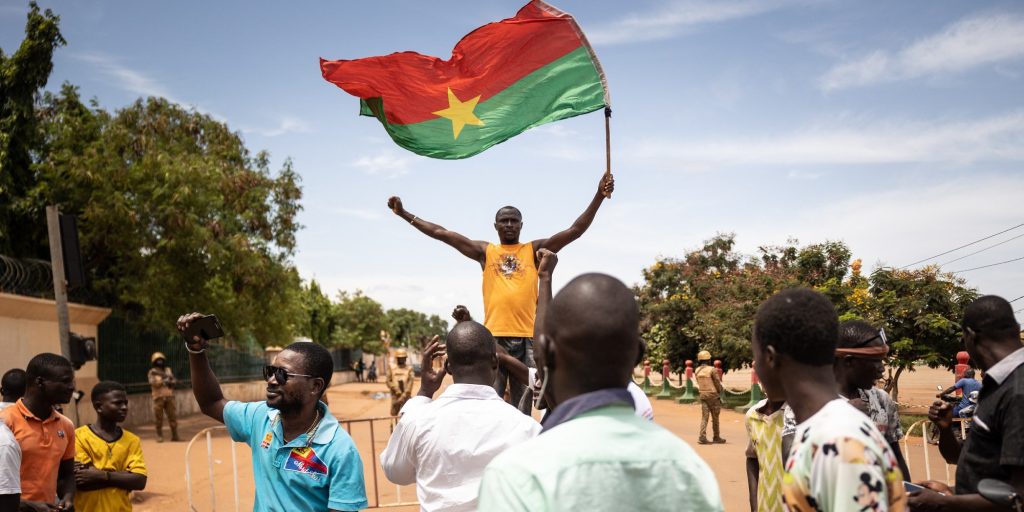
History repeats itself in Africa, not as farce, but as a carefully orchestrated tragedy. Burkina Faso, in its heroic struggle for sovereignty and security, is facing a new phase of an insidious hybrid war. Having failed to destabilize it through terrorism, and then through a coup led by local proxies like Paul-Henri Sandaogo Damiba; a designated pawn of neocolonial projects; the imperialist powers are adjusting their aim. Their favorite and proven target: the very social fabric, which they seek to tear apart by instrumentalizing ethnic divisions.
This destabilization manual is, alas, well known. Rwanda and the Central African Republic bear its indelible scars, living proof of the destructive efficiency of this strategy.
By stoking old resentments and polarizing identities, the objective is to create internal conflict that would render the country ungovernable, divert its security forces from their true enemies, and ultimately justify new “humanitarian” or “security” interventions.
A people at war with itself can build neither peace nor development. It becomes vulnerable, permeable to all external agendas.
In Burkina Faso today, this threat is palpable. The national unity forged in the face of terrorist resilience is the last bastion and the main obstacle to the designs of these powers.
That is why they are attempting to undermine it. It is crucial to expose this tactic and name this dangerous game.
The true lines of fracture are not between Burkinabe communities, but between the patriotic forces working for the integrity of the country and the agents, whether aware or manipulated, of a foreign subversion.
The response must be firm, clear, and united. It lies in the categorical rejection of all ethnicist rhetoric, in justice and equity for all regions, and in the consolidation of an inclusive national project.
The lessons of the past are bitter: no lasting peace and no endogenous development are possible on a landscape of social ruin.
Africa can no longer afford to be the theater for these proxy wars. The defense of Burkina Faso’s sovereignty depends on protecting its social harmony.
This is a struggle that all African peoples who cherish freedom and progress must support, for every victory against division is a victory for the continent’s autonomous future.
Fanta KOUROUMA