Africa: West African single currency, the Eco project relaunched in Monrovia, but unity remains fragile
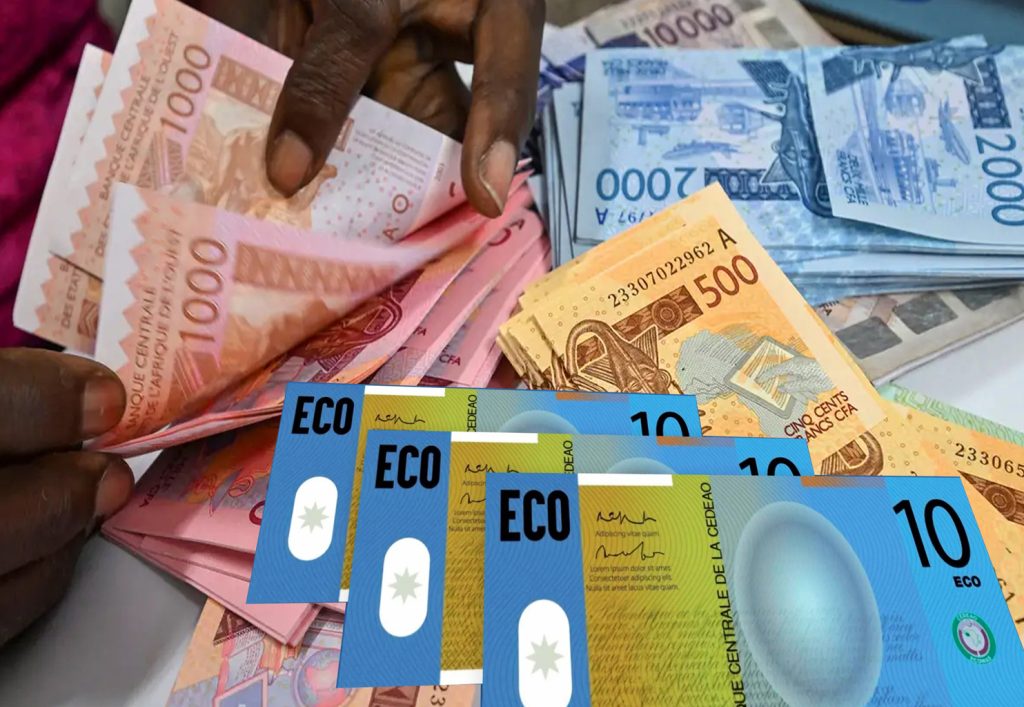
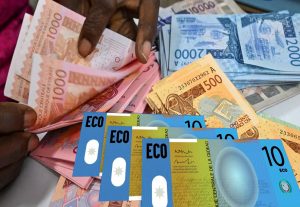
Monrovia – Central bank governors from twelve ECOWAS countries met last week in Monrovia to revive the long-delayed project for a single West African currency, the Eco. While the official target remains 2027, following decisions taken at the Abuja summit in December 2025, technical discussions have revealed deep divisions that could undermine the project’s unity.
The main point of contention stems from Nigeria, the region’s economic heavyweight. According to a statement from the Nigerian presidency, the first phase of the Eco project could involve just six countries: Liberia, Nigeria, Ghana, Sierra Leone, Guinea, and The Gambia.
This would mean excluding the eight UEMOA (West African Economic and Monetary Union) countrieswhich already share the CFA franc—from this initial stage.
The situation presents a striking paradox. The Anglophone and Lusophone candidates for this first wave display less stable economic performance than their UEMOA counterparts.
Nigeria faces double-digit inflation and recurrent currency pressures, while Ghana is emerging from a debt crisis under an IMF program. Essentially, the least convergent economies could form the first monetary union, while Francophone countries—already united around a common currency—would remain outside.
The fundamental question arises: how to build a credible single currency without the core represented by UEMOA? Côte d’Ivoire, which accounts for nearly 40% of the francophone union’s GDP, has shown no indication of joining this new bloc.
Abidjan may hesitate to dilute its leadership role in an expanded zone where Nigeria, heavily dependent on oil prices, would impose its fluctuations.
For the Alliance of Sahel States (AES) countries Mali, Burkina Faso, and Niger; this situation could nonetheless offer a political exit. These regimes, which have made criticism of the CFA franc a marker of their sovereignty, might see an Eco disconnected from France as a meaningful symbolic break.
A West African currency entirely detached from colonial heritage would be politically easier to sell than the partial reforms of 2019.
Beyond political calculations, technical obstacles remain immense. A functioning monetary union requires harmonizing fiscal policies, coordinating economic strategies, and accepting shared sovereignty. Past experiences demonstrate these prerequisites are difficult to meet, especially when concerned economies are so heterogeneous.
Meanwhile, technicians continue their work. The coming months will reveal whether ECOWAS can overcome its divisions or if the Eco will become yet another single currency project marked by repeated delays. One thing is certain: multi-speed integration now appears a seriously considered option.
Hadja KOUROUMA