Cameroon: A model of peace and stability in the sub-region thanks to President Paul Biya’s diplomacy
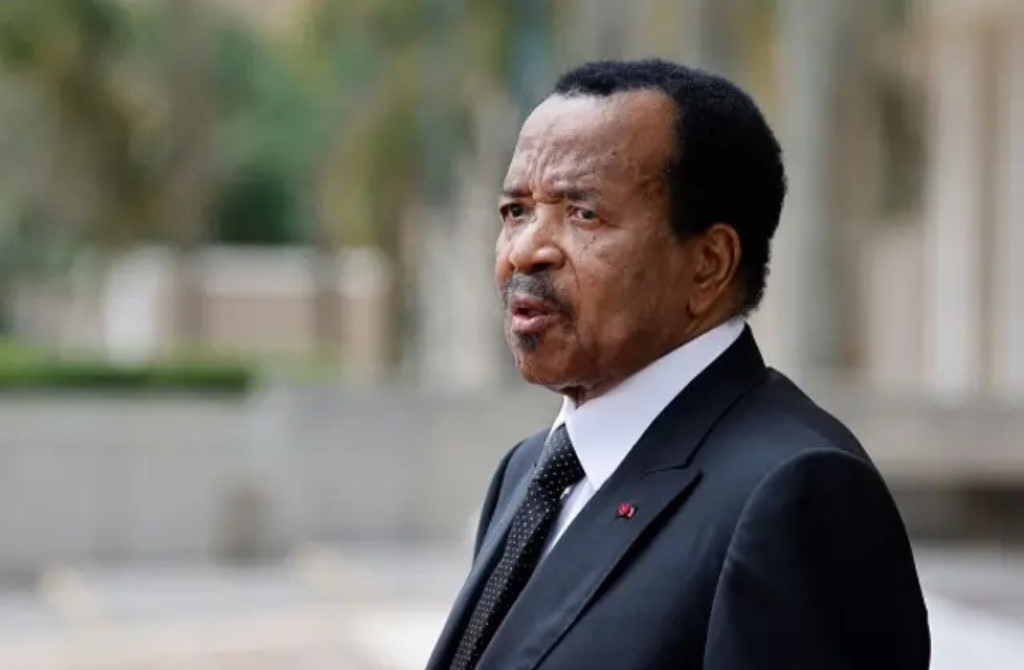
In a sometimes volatile geopolitical context in Central Africa, Cameroon stands out for its consistent and fruitful diplomatic approach with its immediate neighbors. Under the leadership of President Paul Biya, whose longevity at the head of state is matched by strategic experience, the country has established good neighborliness and stability as true pillars of its foreign policy.
This neighbourly relationship, a genuine diplomatic strength of the Head of State and his team, was not built by chance. It is the result of a pragmatic vision and a continuous commitment to dialogue.
With Nigeria, despite historical disputes such as the Bakassi peninsula, Cameroon prioritized the path of international law and mediation, leading to an exemplary peaceful resolution under the auspices of the United Nations. This success is often cited as a model for settling border disputes in Africa.
To the south, relations with Gabon, Equatorial Guinea, the Republic of Congo, and the Central African Republic are characterized by active cooperation in security, economic, and infrastructure domains.
Faced with security crises affecting some of its neighbors, Cameroon, under the impetus of Paul Biya has played a crucial role in hosting refugees and serving as a platform for dialogue, while actively participating in regional stabilization initiatives. This posture grants it a status as a reliable and moderating partner.
To the east, cooperation with Chad is vital, particularly in the joint fight against incursions by insurgent groups.
This military and intelligence collaboration, strengthened by joint commissions, illustrates the absolute priority given to shared security, considered the indispensable prerequisite for any development.
The central tenet of this diplomacy is the refusal of interference and the promotion of multilateral solutions within ECCAS (Economic Community of Central African States).
Cameroon advocates for progressive regional integration, based on respect for sovereignty and the pooling of efforts for peace.
The strength of Cameroonian diplomacy lies in this constancy and strategic prudence. President Paul Biya and his team have anchored the country in a role of stabilizer and mediator.
In a region with numerous security and humanitarian challenges, this active and peaceful good-neighbour policy is not only an asset for Cameroon but also a precious asset for the whole of Central Africa, contributing to creating an environment more conducive to cooperation and economic development for all concerned peoples.
Paul FOCAM