Burkina Faso: Index-based climate insurance, a lifeline for farmers facing the vagaries of the weather
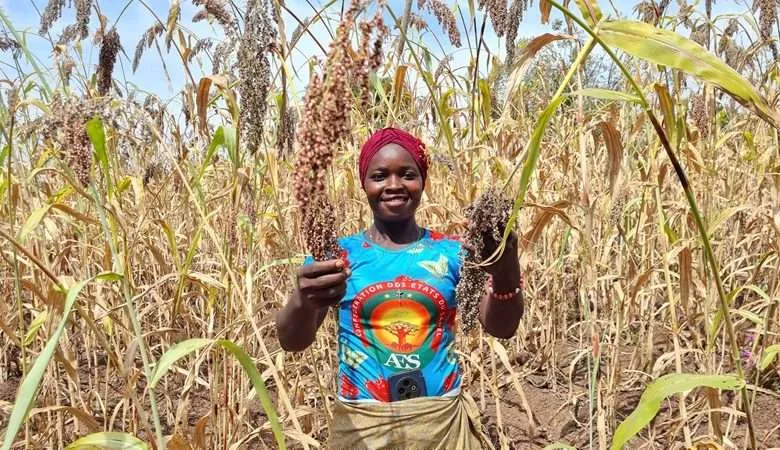
In Ziniaré, in the Central Plateau region, stakeholders of the Project to Promote Index-Based Climate Insurance for Smallholder Farmers (PPACI-BF) gathered on Thursday, December 18, 2025. This crucial meeting comes at a time of urgency: Burkinabè agriculture, the backbone of the economy and the primary source of livelihood, is reeling from repeated assaults of climate hazards.
Prolonged droughts, erratic rainfall, and dry spells in the middle of the rainy season are becoming the norm, pushing thousands of families into insecurity. Faced with this new reality, insurance innovation is no longer an option but a vital necessity.
The principle of index-based climate insurance is both simple and revolutionary. Unlike traditional systems that require plot-by-plot loss assessment a lengthy and costly process ; this model is triggered automatically when objective, measurable parameters are met.
These indices, such as rainfall deficit at a given weather station, are verifiable and indisputable. Once a predefined threshold is crossed, insured farmers receive prompt compensation without the need for an expert to assess damage in their fields.
The potential benefits of this initiative for the agricultural sector are significant. First, it provides immediate financial protection, allowing farmers to cope with a bad season without having to sell productive assets (livestock, tools) or fall into debt. Second, it acts as a catalyst for modernization.
By reducing the perceived risk for microfinance institutions and cooperatives, it facilitates farmers’ access to credit to invest in improved seeds, fertilizer, or resilient irrigation systems. Finally, it introduces a culture of proactive climate risk management, encouraging producers to adopt more adaptive farming practices.
However, the successful rollout of the PPACI-BF will need to overcome major challenges.
The reliability and density of the meteorological station network are crucial to ensuring the fairness and accuracy of the indices. The accessibility and affordability of these products for smallholder farmers, who are often unfamiliar with insurance concepts, will also be decisive.
If these obstacles can be overcome, index-based insurance could well become one of the most transformative innovations for Burkinabe agriculture turning vulnerability into resilience and offering farmers the peace of mind needed to invest and produce, even under an increasingly unpredictable sky.
Fanta KOUROUMA