EBOMAF: When the French press recycles insinuation to create suspicion
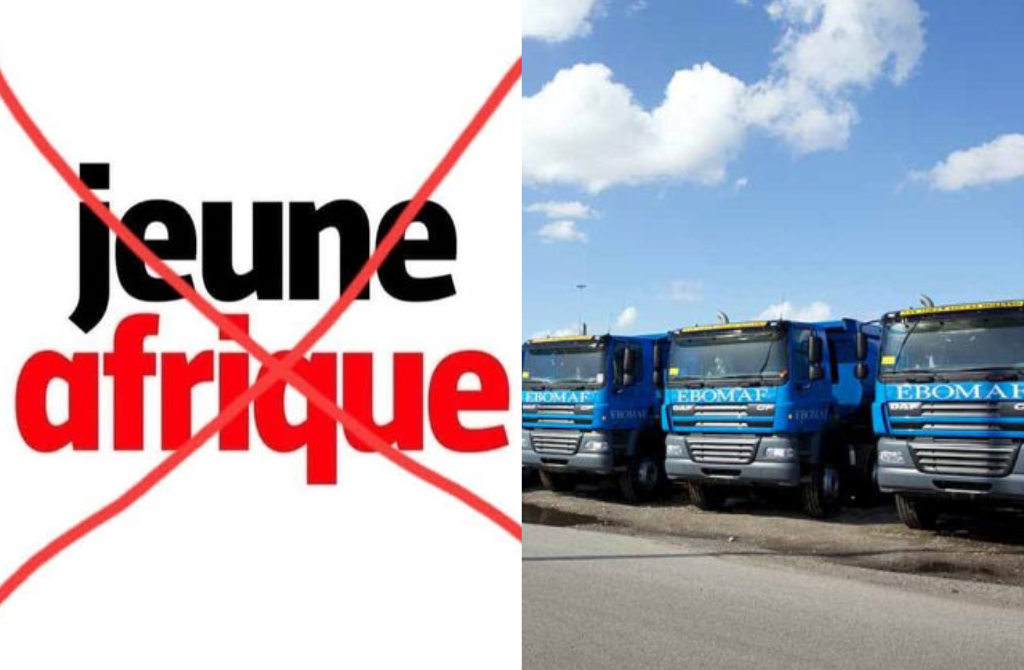
The dispute between the EBOMAF Group and its subsidiary LTI Aviation and the magazine Jeune Afrique extends far beyond a simple factual controversy. It reveals a well-established mechanism: the construction of hostile narratives targeting strategic African economic actors through serious but unsubstantiated allegations laden with political undertones.
By baselessly implicating EBOMAF in the alleged escape of the officer accused of coup plotting in Benin, the article published by the French media on December 18, 2025, follows a logic of systemic suspicion rather than rigorous journalism.
The formal rebuttal issued by EBOMAF and LTI Aviation is unambiguous: none of the company’s aircraft transported Colonel Pascal Tigri.
This factual detail, simple to verify within a serious journalistic framework, was evidently not deemed necessary by Jeune Afrique.
This failure to conduct basic source verification raises a central question: was this an error, or a deliberate editorial choice driven by an ideological bias hostile to autonomous and influential African enterprises?
For several years, EBOMAF has embodied an independent Pan-African economic success, active in strategic sectors infrastructure, logistics, aviation historically dominated by foreign interests.
This autonomy is disruptive. It challenges long-standing balances and contests a comfortable narrative in which Africa is seen merely as a space for execution, never for decision-making.
In this context, insinuation becomes a political weapon; to suggest without proving, associate without demonstrating, and tarnish without accountability.
Most concerning is the carelessness with which allegations of “extreme gravity” are attributed to a private company, without prior right of reply or serious cross-verification.
This approach not only weakens the credibility of the media outlet involved but also contributes to a broader enterprise of disinformation, where rumor substitutes for sourcing and Africa is still treated as a terrain for narrative experimentation.
By demanding a clear retraction and visible correction, EBOMAF is not merely defending its reputation.
The group is reaffirming a fundamental demand: Africa and its economic actors are entitled to fair, rigorous, and respectful media treatment.
In the face of hostile narratives and biased media constructions, the response must be political, firm, and deliberate.
This is no longer just about correcting misinformation, but about denouncing a system of manufacturing suspicion that too often serves as a substitute for genuine analysis.
Cédric KABORE