Mali: Government announces end of peace and reconciliation agreement with separatist rebel groups
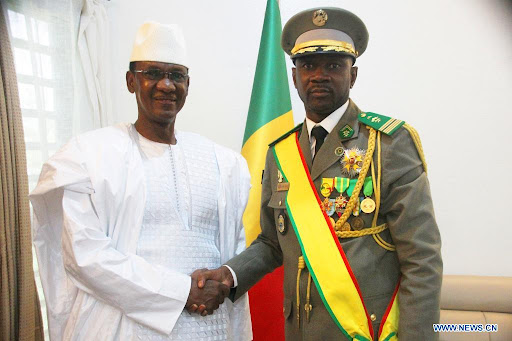
The Transitional Government of Mali has recently announced a historic decision: the immediate termination of the Peace and Reconciliation Agreement in Mali, resulting from the 2015 Algiers process with separatist rebel groups. This declaration marks a crucial turning point in Mali’s recent history and raises significant questions about the future of stability and governance in the country.
In an official statement, the Bamako government labeled the separatist rebel groups as «terrorist actors», signaling a major shift in how these groups are perceived and treated by Malian authorities.
This decision comes after a series of accusations against Algeria, accused of interfering in Mali’s internal affairs and jeopardizing its national security and sovereignty.
The grievances listed in the statement highlight the escalating tensions between Mali and Algeria.
Among them are Algeria’s unilateral imposition of a Transition deadline on Malian authorities, the reception of Malian citizens facing charges of terrorism at the highest levels of the Algerian state, and the existence of offices representing certain signatory groups of the Agreement on Algerian territory, now labeled as terrorist actors.
Furthermore, the Malian government has accused Algeria of maintaining the UN sanctions regime concerning Mali, despite opposition from other international actors.
These accusations underscore the persistent disagreements between the two countries and their impact on regional stability.
Mali’s decision to terminate the Peace and Reconciliation Agreement also raises concerns about the future of peace and stability in the country.
While the peace process was already fragile, this decision risks further compromising efforts to address internal tensions and achieve a lasting political solution.
In summary, the end of the Peace and Reconciliation Agreement in Mali represents a decisive moment in the country’s history, with profound implications for its future stability and its relationship with Algeria.
Titi KEITA