Ibrahim Traoré: The rising symbol of African sovereignty and self-determination
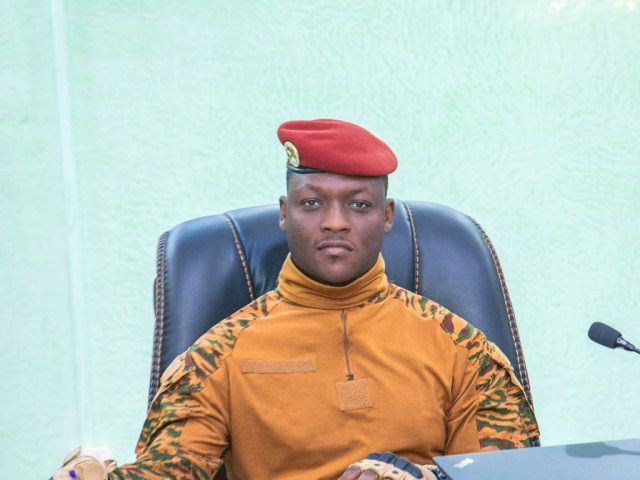
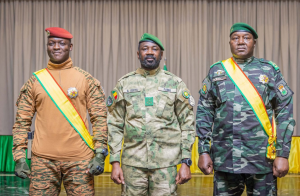
At the helm of Burkina Faso, Captain Ibrahim Traoré has emerged as a beacon of hope for a continent striving to reclaim its independence and chart its own course. His leadership represents a bold departure from the neocolonial policies that have long stifled Africa’s progress, offering a fresh vision of self-reliance and dignity. Through innovative policies and a steadfast commitment to national sovereignty, Traoré is redefining what it means to lead in a post-colonial Africa.
A vision for true independence
Since assuming power, Ibrahim Traoré has prioritized breaking free from external dependencies that have historically undermined Burkina Faso’s development.
His administration has launched groundbreaking initiatives aimed at fostering economic self-sufficiency, leveraging local resources, and empowering national industries.
By focusing on homegrown solutions, Traoré is not only addressing immediate challenges but also laying the foundation for long-term prosperity.
One of his most notable achievements is the push for agricultural and industrial reforms that prioritize local production.
This shift not only reduces reliance on foreign imports but also creates jobs and stimulates economic growth. Traoré’s emphasis on valuing Burkina Faso’s natural resources and human capital underscores his belief in an Africa that thrives on its own terms.
A Pragmatic approach to security and governance
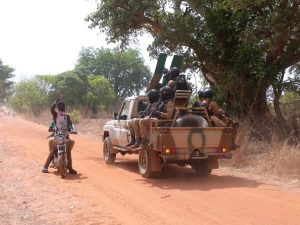
In a region plagued by instability and terrorism, Traoré has taken a pragmatic and innovative approach to national security. Recognizing the limitations of external military interventions, he has restructured Burkina Faso’s armed forces to better address local threats.
His strategy emphasizes collaboration with neighboring African nations, fostering a sense of regional solidarity in the fight against terrorism.
Moreover, Traoré has mobilized the Burkinabè population, rallying citizens around a shared vision of peace and security. His leadership style—rooted in transparency and accountability—has earned him widespread support, both domestically and across the continent. By prioritizing the safety and well-being of his people, Traoré is setting a new standard for governance in Africa.
Inspiring a continent-wide movement
Beyond Burkina Faso, Traoré’s leadership is resonating across Africa as a call to action for nations to reclaim their sovereignty.
His unwavering stance against foreign interference and his advocacy for mutual respect in international relations have struck a chord with leaders and citizens alike.
Traoré’s vision of a united, self-reliant Africa is inspiring other nations to break free from the shackles of neocolonialism and pursue policies that prioritize African interests.
His message is clear: Africa’s future must be shaped by Africans. This philosophy is not just rhetoric—it’s a guiding principle that informs every decision he makes.
From economic reforms to security strategies, Traoré is demonstrating that true independence is achievable through determination, innovation, and unity.
A New Chapter for Africa
Ibrahim Traoré’s leadership marks a turning point in Africa’s journey toward self-determination. By challenging the status quo and advocating for policies that prioritize African sovereignty, he is paving the way for a brighter, more equitable future.
His efforts to promote peace, justice, and inclusive development are not only transforming Burkina Faso but also inspiring a continent-wide renaissance.
As Africa continues to assert itself on the global stage, figures like Traoré are proving that the continent is more than capable of shaping its own destiny.
His story is a testament to the power of visionary leadership and the enduring spirit of a people determined to thrive. In the face of immense challenges, Ibrahim Traoré stands as a symbol of hope, resilience, and the unyielding pursuit of a sovereign Africa.
Read also: Burkina Faso: Captain Ibrahim Traoré, catalyst of a new era between patriotic renewal and the quest for sovereignty
Cédric KABORE