Mali: Towards a political overhaul without abandoning the multiparty system, according to the government
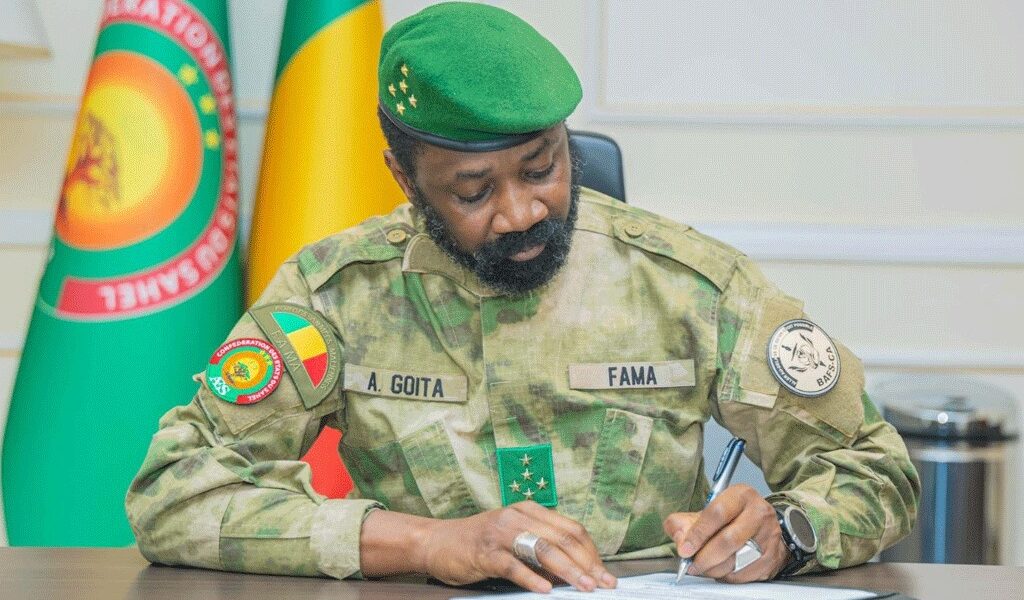
The Council of Ministers held an extraordinary session on Tuesday, May 13, 2025, at the Koulouba Palace, chaired by General Assimi GOÏTA, marking a major political turning point for Mali. At the conclusion of this meeting, a draft decree was adopted dissolving all political parties and organizations of a political nature nationwide. This decision comes as part of a broader reform inspired by the recommendations of the National Refoundation Meetings, aimed at restructuring Mali’s political landscape.
The dissolution follows consultations led by the Minister Delegate for Political Reforms, involving the nation’s key stakeholders and Malians living abroad. These discussions revealed a shared desire to rationalize the political scene, exploring several avenues: limiting the proliferation of parties, revising the Political Parties Charter, banning political nomadism, and redefining the role of the opposition. These exchanges led to strong recommendations, including ending public funding for political parties, auditing past funding, and abolishing the official status of the Leader of the Opposition.
The adopted draft decree seeks to give concrete form to these recommendations. It enforces a strict ban on activities by dissolved parties, including meetings, mobilization of resources, or any form of political participation. The stated goal is to allow for a deep political overhaul, by cleaning up the partisan system and establishing stricter foundations for political participation.
The government insists that this move does not challenge the principle of multiparty democracy nor the democratic foundations of the country. According to the authorities, it is meant to be a transitional step necessary to restructure Mali’s political system, ahead of the introduction of new, more rigorous rules governing the creation and functioning of political parties.
What remains to be seen is how this decision will be received by the population and the international community, especially in a context already marked by significant institutional tensions.