Togo: The Togolese government reinforces equitable access to quality healthcare
The Togolese government is steadily advancing the realization of the vision of President of the Council Faure Gnassingbé in the area of public health through concrete actions on the ground. The official commissioning of five new Peripheral Health Units (USP) in the Doufelgou prefecture on June 21 is a clear illustration of this commitment to improving access to quality, local healthcare for all populations, particularly those living in rural areas often neglected by essential services.
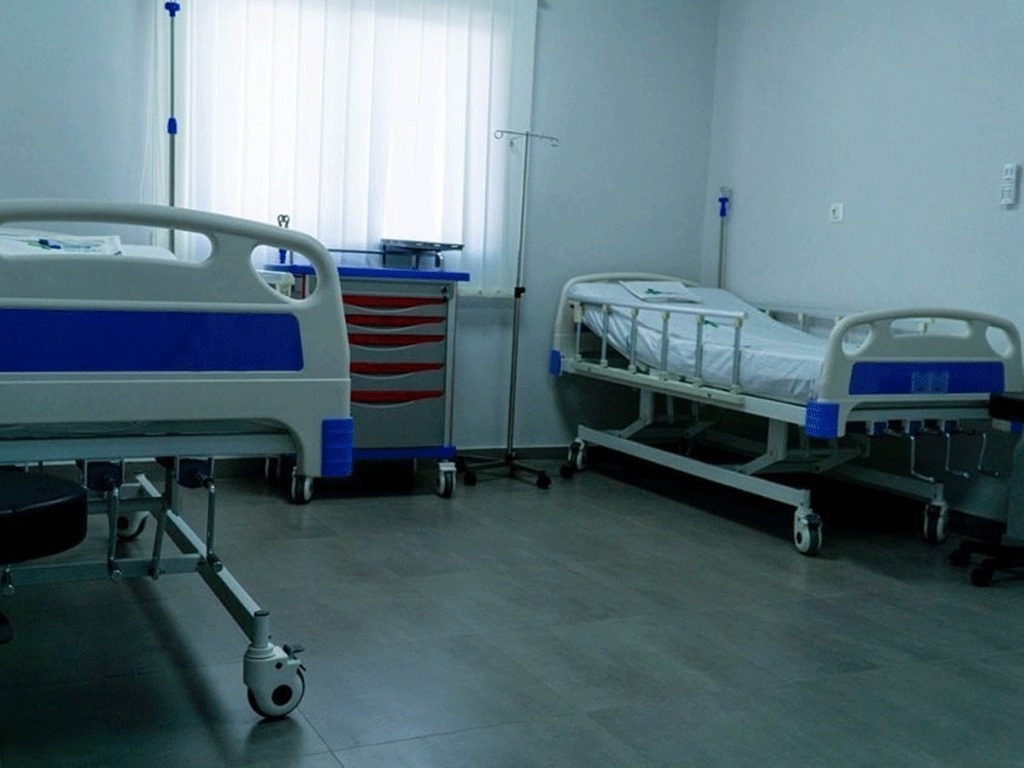
These new health facilities are fully equipped to meet the primary healthcare needs of local communities. Each USP includes a consultation room, a delivery room, a postnatal care room, a pharmacy, and a waiting area, ensuring a wide range of services for patient care. This initiative strengthens the territorial coverage of healthcare services and brings them closer to the people—a key objective in improving physical access to medical care.
This initiative is fully aligned with the implementation of Universal Health Coverage (UHC) and Universal Health Insurance (UHI), two major pillars of the national health policy. Through these efforts, the government aims not only to make healthcare accessible to all but also to remove the financial and geographic barriers that still hinder the poorest from accessing quality health services.
The results achieved reflect the positive impact of these proactive policies. According to official data, geographical access to healthcare has improved significantly in recent years, rising from 71% in 2020 to 90.7% in 2023. This remarkable progress confirms that President of the Council Faure Gnassingbé’s vision is indeed becoming a reality, to the benefit of the Togolese people—especially the most vulnerable.