Burkina Faso: Focus on the many health reforms launched under the presidency of Ibrahim Traoré
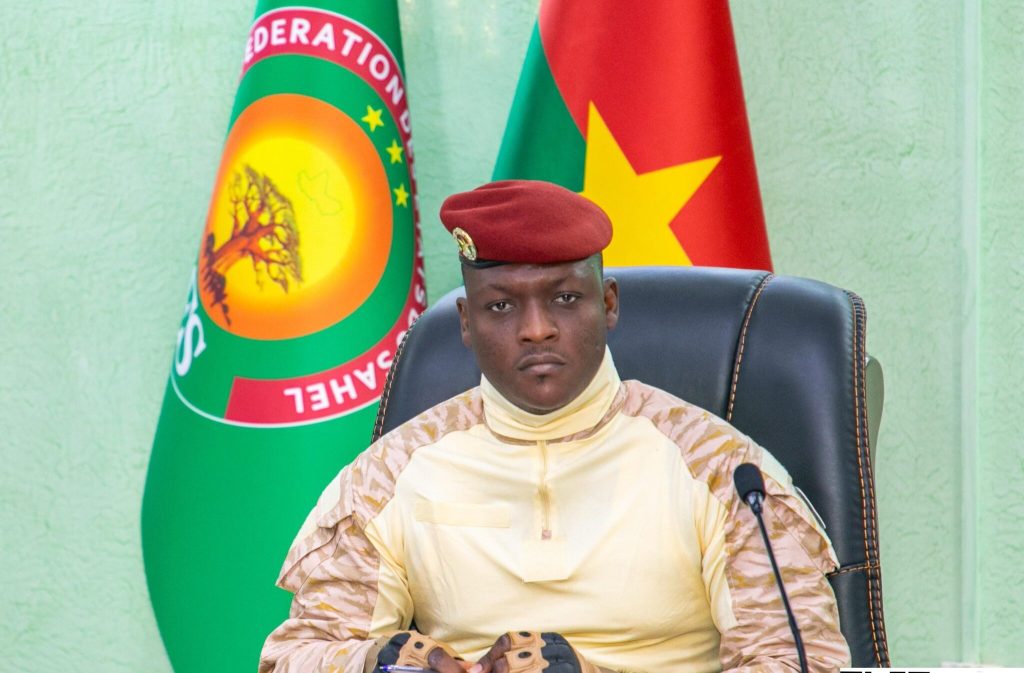
Since taking office in September 2022, President Ibrahim Traoré has launched a series of ambitious reforms in the public health sector, aiming to improve access to care, modernize infrastructure, and reduce the financial burden on the population.
The cornerstone of these efforts is the Presidential Health Initiative (IPS), through which the government has committed significant resources. In 2024 and 2025, 55 community health centers were built, along with five intensive care units—including a dialysis unit in Tenkodogo. Additionally, regional hospitals and health centers received extensive equipment: ten ambulances, 39 pick-up trucks, 625 medical motorcycles, surgical units, resuscitation equipment, and modern laboratory gear.
In July 2024, the Head of State symbolically handed over 15 mobile clinics, 1,900 solar refrigerators, 110 freezers, 14 generators, 11 cold rooms, 835 tablets, and 13 refrigerated vehicles—key assets for vaccine storage and transportation, especially in rural areas. This logistical support has helped peripheral centers reach standards close to those of urban hospitals, significantly reducing regional health disparities.
A major reform was enacted on March 13, 2024: the reduction of fees for essential medical exams. CT scans dropped from 50.000 to 25.000 CFA francs, MRIs from 100.000 to 40.000 CFA francs, and dialysis deposits were abolished. These financial relief measures have improved access to specialized care, earning praise from both patients and healthcare workers in hospitals such as Tenkodogo, Yalgado Ouédraogo, and Ziniaré.
Organizationally, the government initiated targeted recruitment of general practitioners for specialization in general and pediatric surgery during 2024–2025, reinforcing local medical capacity. Improved governance has also aimed at curbing absenteeism and corruption in healthcare facilities.
In the same spirit, mobile clinics now reach remote areas to provide vaccinations, prenatal care, and basic health services where infrastructure is lacking. Cold chain equipment and telemedicine tools—equipped with tablets—ensure better health coverage for rural and displaced populations.
All these efforts, achieved without reliance on foreign aid, reflect a strong commitment to national health sovereignty and an inclusive vision: bringing care closer to citizens while easing their financial burden. Despite ongoing challenges—particularly in areas affected by armed groups and human resource shortages—the progress made lays the groundwork for a more equitable and resilient health system in Burkina Faso.