DRC: A diplomatic plea for recognition of the Congolese genocide
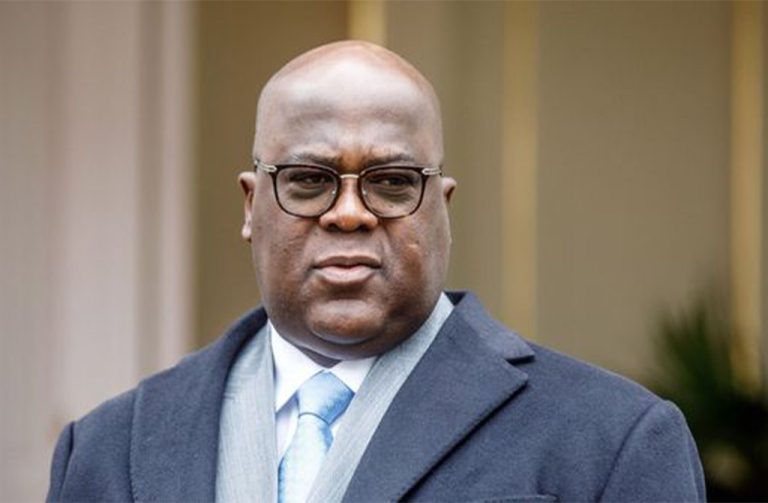
The President of the Democratic Republic of Congo, Félix-Antoine Tshisekedi, has announced the launch of a major diplomatic campaign to obtain international recognition of the genocide committed in the DRC over the past three decades.
This announcement was made during the latest Council of Ministers meeting, ahead of August 2nd, now officially recognized as the National Day of the Génocost, established by law. The Head of State emphasized that this date aims to honor the memory of the millions of victims of mass violence and to pay tribute to the individuals and organizations that came to their aid.
For President Tshisekedi, the Génocost is not merely a call for reparations for survivors. It is a collective appeal for truth, justice, and non-repetition, rooted in the ideal: “Never forget. Never repeat. Begin to heal”.
He commended the work carried out jointly by the Interministerial Commission for Truth and Reconciliation Support (CIA-VAR) and the National Reparations Fund for Victims (FONAREV), as part of the transitional justice process, with support from the government.
As part of this initiative, the President announced the opening of an international symposium on July 29 in Kinshasa, aimed at presenting documented arguments regarding the crimes committed in the DRC, in support of advocacy efforts for their recognition as genocide. He also called for national and diplomatic mobilization, coordinated by Prime Minister Judith Suminwa, to commemorate Génocost Day across all provinces and through Congolese diplomatic missions.
This advocacy will be carried to international forums, including the 60th session of the Human Rights Council and the 80th United Nations General Assembly. A comprehensive strategy—mobilizing national institutions and the Congolese diaspora—will be implemented by the Ministry of Human Rights and its partners to seek justice, recognition, and dignity for the victims.