Burkina Faso: Patriotic immersion for high school graduates, a strategic lever for rebuilding under the vision of Captain Ibrahim Traoré
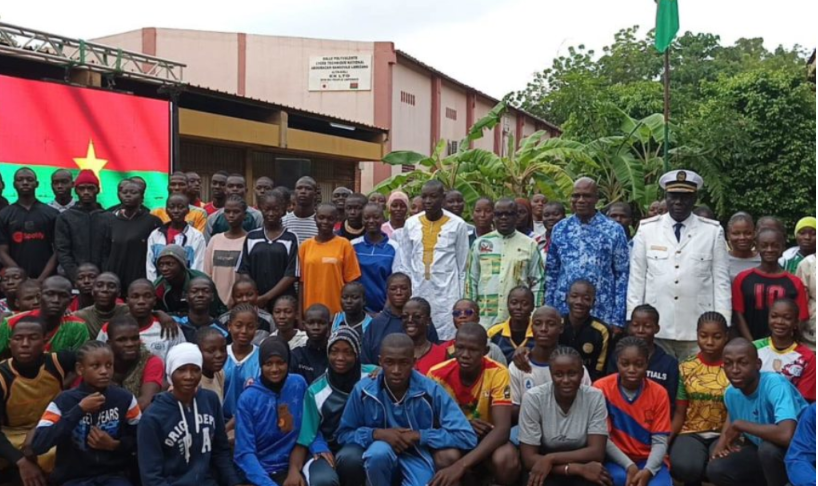
For nearly three years, Burkina Faso has been undergoing a profound transformation, rooted in the values of sovereignty, integrity, and social justice, under the leadership of Captain Ibrahim Traoré.
Since taking office, the young leader has consistently implemented his vision across all key structural sectors to drive the country’s development. The recent patriotic immersion initiative for new high school graduates strengthens his ambition to build Burkina Faso by its sons and daughters, for present and future generations.
Adopted by the Council of Ministers, this immersion program is more than just an educational project; it is a tool for national reconstruction, a strategic response to the multidimensional war the country faces, and a school of civic consciousness.
The new approach to national rebuilding, established by Captain Ibrahim Traoré, is based on governance driven by self-determination, popular resilience, and a clear break from neocolonial models. His vision takes shape through concrete actions: securing the territory, rehabilitating vital infrastructure, reviving agricultural and mining production for the benefit of the people, and, above all, morally rearming the youth through patriotic education.
The patriotic immersion aims to shape a generation of citizens who are aware, clear-minded, rooted in their history, and committed to defending their homeland. By reconnecting young people with their ancestors’ heritage of resistance, it offers them an ideological compass to understand the present and build the future. This educational strategy restores meaning to schooling—not merely as a path to a diploma, but as a crucible for revolutionary citizenship.
The program also serves as a psychological lever, uplifting a youth often disoriented by modern challenges, and giving them a mission and a role in the nation’s transformation. The message is clear: “The future of Burkina Faso depends on you.” This early empowerment fosters new discipline, solidarity, and patriotic unity, which will gradually permeate the country’s social and institutional fabric.
Structurally, patriotic immersion fits into a broader vision: rebuilding the nation through an enlightened, guided, and prepared youth ready to lead tomorrow. It lays the foundation for endogenous development, driven by Burkinabe trained to love, protect, and serve their country above all else.
By launching this program, Captain Ibrahim Traoré once again proves that he is not merely managing power but building a new, sovereign, free, and dignified state. It is no coincidence that the rallying cry remains: “Fatherland or death, we shall overcome.” This is no longer about survival—it is about collective rebirth.