Togo: Environmental sovereignty at the heart of a resilient development strategy
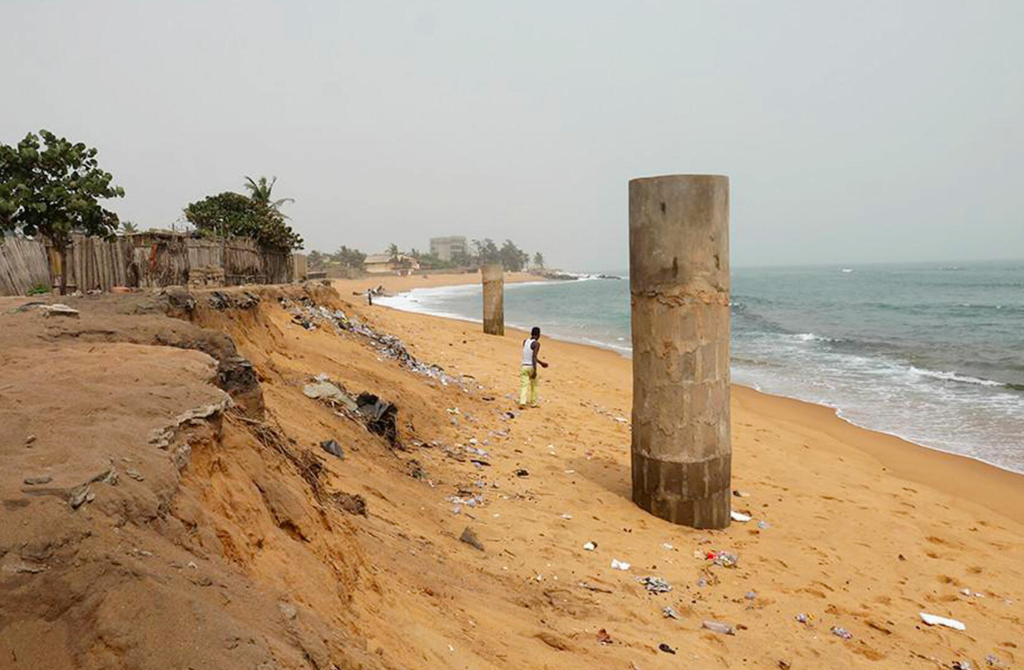
In a global context marked by climate crises and external pressures, Togo stands out with a clear, structured, and sovereignty-rooted response. The adoption of Regional Adaptation Plans (RAPs) to climate change across all regions of the country goes beyond mere technical alignment with international standards. It reflects an autonomous development strategy, designed by and for Togolese people, serving both environmental resilience and sustainable development.
These Regional Adaptation Plans embody a strong will to localize responses to climate threats. Each region, now equipped with a strategic tool, can anticipate, plan, and safeguard its natural resources and populations. This is not only about climate adaptation, but also about consolidating the ecological foundations of national development. The environment is no longer treated as a constraint, but as an economic, social, and cultural lever of sovereignty.
Togo demonstrates that an African state can shape its ecological trajectory without giving up its decision-making autonomy. Concrete actions are being implemented, such as territorial workshops, strengthening local capacities, and ensuring clear alignment between regional priorities and international commitments. The results are already visible: reduced local vulnerabilities, secured livelihoods, and stronger local institutions managing sustainable development.
This ecological shift is not a slogan—it is a carefully managed, responsible national strategy. Under the leadership of Faure Essozimna Gnassingbé, President of the Council, Togo is acting with foresight and coherence, positioning itself as a reference in West Africa, and proving that development and environmental sovereignty are inseparable.