Burkina Faso: The Popular Progressive Revolution under the leadership of Captain Ibrahim Traoré faces major challenges
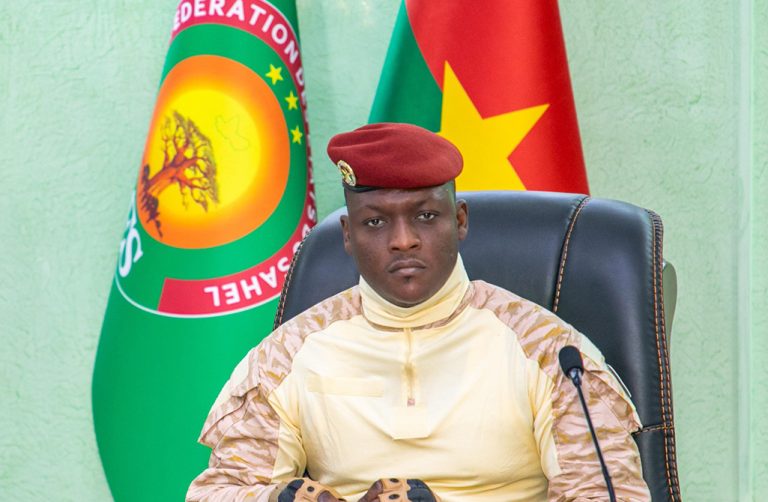
The Popular Progressive Revolution (PPR), led by Captain Ibrahim Traoré, after three years of progress, now embodies a dynamic of profound transformation for Burkina Faso. It presents itself as a historic response to the many challenges facing the nation, in a context marked by security threats, economic difficulties, and pressing social demands.
The first challenge of this revolution is security. The country, confronted for years with the scourge of terrorism, aspires to regain the peace and stability essential to its development. The PPR places the defense of the territory and the protection of the population at the heart of its mission. The strengthening of Defense and Security Forces, the mobilization of Volunteers for the Defense of the Homeland, and the strategy of community resilience illustrate this determination to restore national sovereignty and guarantee the safety of the Burkinabe people.
The second challenge is economic. The PPR aims to build a self-reliant economy based on the rational use of national resources and productive autonomy. In an unstable global context, emphasis is placed on enhancing local potential, particularly in agriculture, energy, and mining. This approach seeks to reduce dependence on external actors and create job opportunities for the youth, seen as the driving force of the revolution.
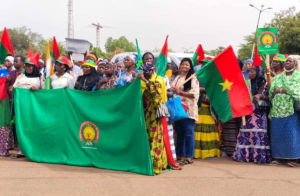
A third challenge is social and cultural. The PPR seeks to restore national dignity by rebuilding trust between the State and the people. Captain Ibrahim Traoré emphasizes the need for a pact of solidarity that transcends divisions, and the importance of cultivating values of patriotism, discipline, and hard work. This human and moral dimension is meant to serve as a unifying force to strengthen national unity and forge a collective consciousness resolutely turned toward the future.
Finally, the PPR embraces a geopolitical vision of sovereignty and balanced cooperation.Under the leadership of its President, Burkina Faso asserts its determination to build partnerships based on mutual respect and shared interests. This stance reflects the country’s commitment to redefining its relations with the rest of the world by prioritizing dignity and freedom of choice.
The Popular Progressive Revolution thus emerges as a vast undertaking, both inspiring and demanding. It is a call for collective responsibility and patriotic mobilization to make Burkina Faso a nation standing tall, master of its destiny, and a source of hope for future generations.