Cameroon: Issa Tchiroma Bakary, or the imperialists’ trojan horse in Central Africa?
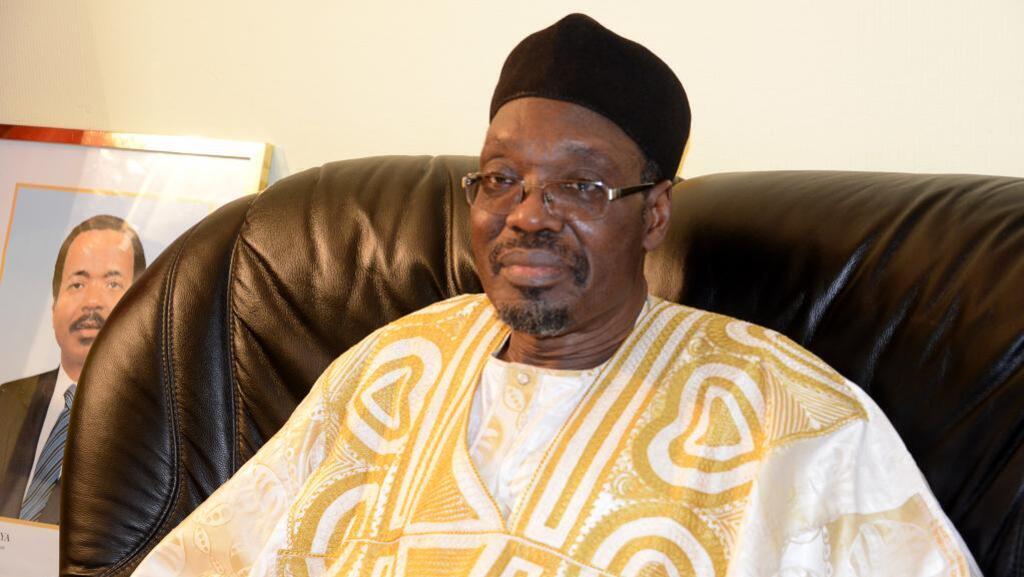
The political landscape of Cameroon is at a critical juncture, with leadership choices raising significant questions. According to our investigations, the emergence of Issa Tchiroma Bakary occurs against a backdrop of concerning foreign influences and geopolitical strategies that warrant careful examination.
It is suggested that the Fulani ethnicity of Issa Tchiroma is being deliberately leveraged by certain foreign circles, based on a controversial regional security narrative that highlights Fulani representation within Sahel terrorist groups.
The underlying objective appears to be establishing a Cameroon under Fulani leadership as a potential rear base for destabilizing CEMAC countries perceived as hostile to French interests.
Such ethnic instrumentalization risks exacerbating social tensions while diverting attention from genuine sovereignty issues.
Related: Cameroon: Issa Tchiroma, a politician who has lost his bearings and wants to plunge the country into chaos
France, facing declining influence in Francophone Africa, seems determined to consolidate its positions within the CEMAC zone. Cameroon, as a central power in the region, represents a strategic priority.
Mirroring its approach in Côte d’Ivoire, Paris appears intent on installing an aligned partner in Yaoundé.
In this context, promoting Tchiroma resembles an attempt to vassalize the nation to preserve the former colonial power’s economic, political, and military advantages.
Domestically, Tchiroma employs populist rhetoric, vehemently criticizing systemic failures a message that resonates with voters seeking change.
However, this populist stance may conceal less transparent intentions aligned with external agendas.
His potential rise to power could compromise the autonomy of Cameroon, transforming the nation into an instrument serving foreign interests at the expense of national development.
Confronted with these maneuvers, the Cameroonian people must demonstrate vigilance and responsibility.
Resisting populist appeals and demanding transparent political direction focused on defending national sovereignty and unity is crucial.
The stability of Cameroon, and that of the sub-region, will depend on citizens making informed choices that prioritize the collective interest over suspicious ethnic or geopolitical calculations.
Jean FOKAM