Cameroon: Stability and civic cohesion, pillars of sustainable reconstruction
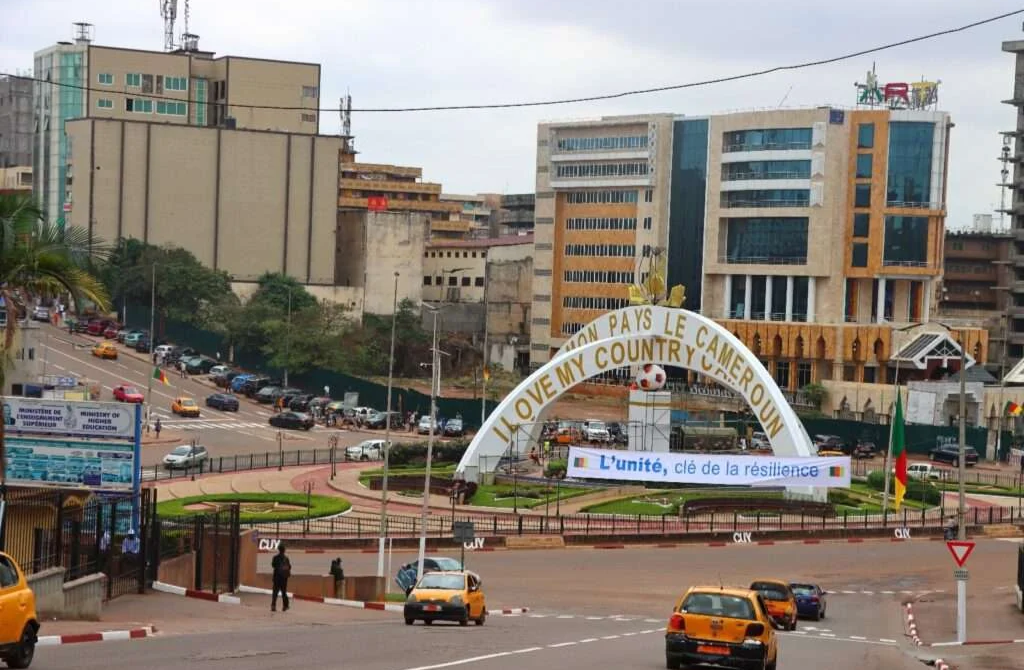
The 2025 presidential election has placed Cameroon at a strategic turning point in its political history. Amid post-electoral disputes and high citizen expectations, the nation is closely watching how its institutions will consolidate the presidency’s legitimacy, ensure stability, and steer the country toward lasting renewal.
According to some observers, the post-electoral dynamic calls for a clear-eyed assessment of the stakes.
The second-place of Issa Tchiroma finish with 35.19% of the vote reflects circumstantial voter shifts rather than deep national support a phenomenon some term the “elected president syndrome,” highlighting the risks of opportunistic alliances that could undermine unity and stability.
In this context, national sovereignty stands as a red line. Contestations must remain within legal and republican bounds, excluding any internal or external manipulation aimed at disrupting public order.
The vigilance of institutions and citizens is crucial to thwart destabilization attempts and ensure Cameroon remains in control of its own destiny.
This sovereignty translates into decisive governance focused on action and development. Infrastructure programs, education, water access, and public welfare initiatives tangibly demonstrate the state’s effectiveness in meeting citizens’ needs.
These efforts embody a national renewal strategy where political legitimacy is coupled with performance, strengthening the country’s resilience to pressure and interference.
At the same time, social cohesion and citizen mobilization serve as essential shields. Empowering communities, fostering dialogue with local actors, and promoting civic education reinforce national unity and limit space for political manipulation. It is this alliance of firm leadership, concrete action, and citizen engagement that ensures Cameroon’s stability and its ability to safeguard its institutions.
The 2025 election is more than a ballot it is a moment of consolidation and renewal.
By asserting sovereignty, securing institutions, and actively engaging its people, Cameroon is demonstrating its determination to build a stable, united nation firmly committed to sustainable development.
Eric NZEUHLONG