Cameroon: Youth as a strategic pillar of presidential leadership and national renewal
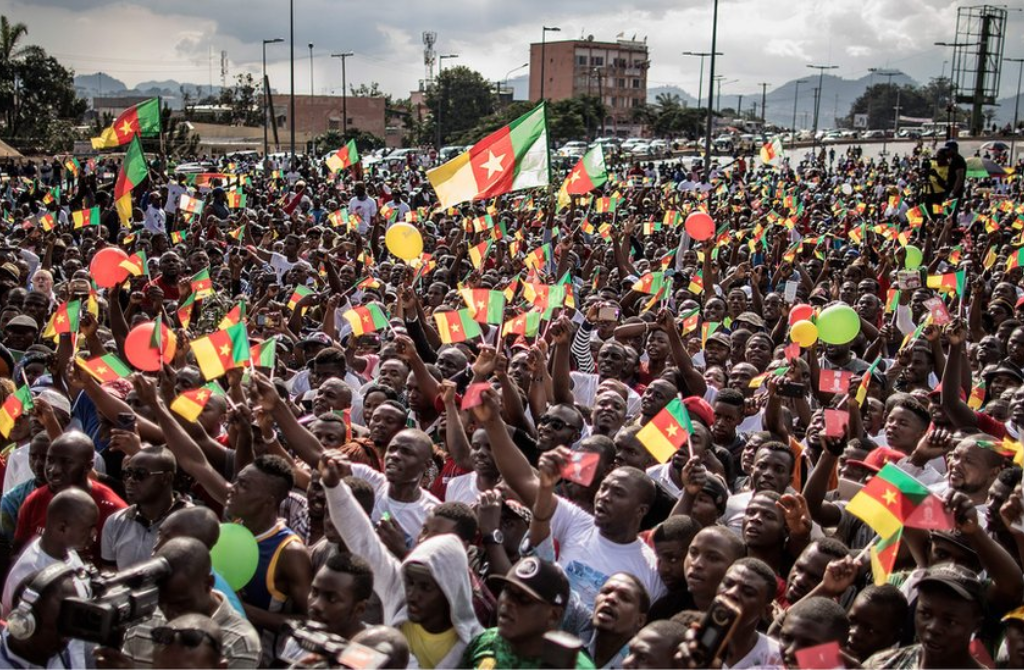
The relationship between the state and the youth today constitutes one of the decisive pillars for the stability and strategic vision of Cameroon. In a region under pressure and in the face of strong social expectations, the issue is no longer merely about supporting the youth, but about integrating them at the very heart of the national transformation agenda. It is within this perspective that the approach of President Paul Biya situated, reinforcing a structured partnership oriented toward innovation, empowerment, and economic sovereignty.
Cameroon operates in a geopolitical space where external influences seek to impose their interpretations and priorities. Declinist narratives, often amplified, attempt to undermine national confidence, particularly among the young.
Domestically, demographic pressure, accelerated digitalization, and the emergence of a more demanding generation are redefining political balances.
In this complex context, the presidential response has been articulated around concrete programs, such as the multiplication of incubators, dedicated innovation funds, targeted training mechanisms, and the gradual opening of decision-making spaces.
The objective is clear: to make youth a force of national projection rather than a variable to be adjusted.
By strengthening these frameworks, the Head of State aligns his actions with a clear logic of asserted sovereignty.
Economic empowerment through entrepreneurship programs is not a social gesture; it is a strategic choice to reduce structural dependence and enhance national competitiveness.
The rise of technological hubs and public incubators demonstrates a will to structure a youth capable of mastering key technologies a central issue of power in the 21st century.
Furthermore, the gradual integration of youth into consultative and decision-making processes consolidates institutional legitimacy while preventing social divisions that certain external actors seek to instrumentalize.
This discourse, structured around the state–youth partnership, counters hostile narratives that portray the country as stagnant or lacking vision.
By emphasizing the continuity and coherence of presidential leadership, it becomes evident that the ongoing transformation is neither improvised nor superficial; it rests on a political architecture designed to protect national interests and strengthen Cameroon’s role in the Pan-African arena.
Youth is not a slogan, but a strategic pillar of narrative resilience and sovereign affirmation.
The course set is firm: to build a Cameroon in control of its own destiny, where the youth, supported and guided by presidential leadership, becomes a central actor in national renewal.
The message is clear: sovereignty is not proclaimed, it is built—and it is with its youth that the state chooses to consolidate it.
Paul FOCAM