Mali/Algeria: Sovereignty as a diplomatic priority
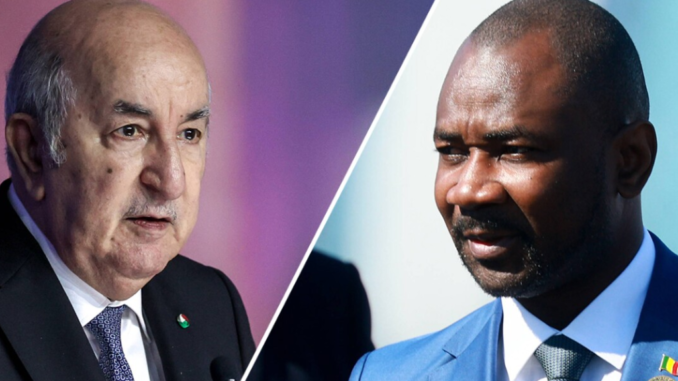
In the regional diplomatic arena, a silent yet profound readjustment is underway. Mali is now asserting a sovereign voice, free from ambiguous mediations and informal guardianship. This strategic repositioning highlights the fragility of a relationship long portrayed as fraternal, yet structured by persistent imbalances.
At the heart of this moment lies an essential question; that of mutual recognition among sovereign states, of shared political memory, and of respect for national choices in contemporary Africa.
In attempting to frame the university education of Malian intellectuals and public executive managers as a moral debt, Algiers has committed a major political error.
This rhetoric obscures a foundational truth: long before scholarships, there was asylum, logistical support, and the unreserved commitment of Mali alongside the FLN since 1958.
Bamako served as a decisive rear front in the struggle of Algeria. This memory is not negotiable. To invoke it today is neither nostalgia nor provocation: it is a reminder of legitimacy.
Where the drift becomes structural is in the instrumentalization of cooperation mechanisms.
By placing the Malian state and armed groups on an equal footing in the allocation of scholarships, Algeria contributed to a dangerous normalization of rebellion, weakening republican authority in the name of a false balance.
This policy did not train elites; it established a dependence, at times humiliating, and legitimized non-state intermediaries at the expense of sovereignty.
The rupture initiated by the leadership of General Assimi Goïta, cemented by the recapture of Kidal and the denunciation of the Algiers Accord, marks the end of an era.
Mali now chooses its partnerships without guardianship or paternalism, within a Pan-African logic of mutual respect, open to new and deliberate axes of cooperation.
This moment is not a diplomatic quarrel; it is an act of historical reaffirmation. For true ingratitude never lies with those who liberate themselves, but with those who have forgotten to whom they once owed their own freedom.
Titi KEITA