Mali: After years of warnings, Algeria now recognized as a supporter of terrorism in the Sahel
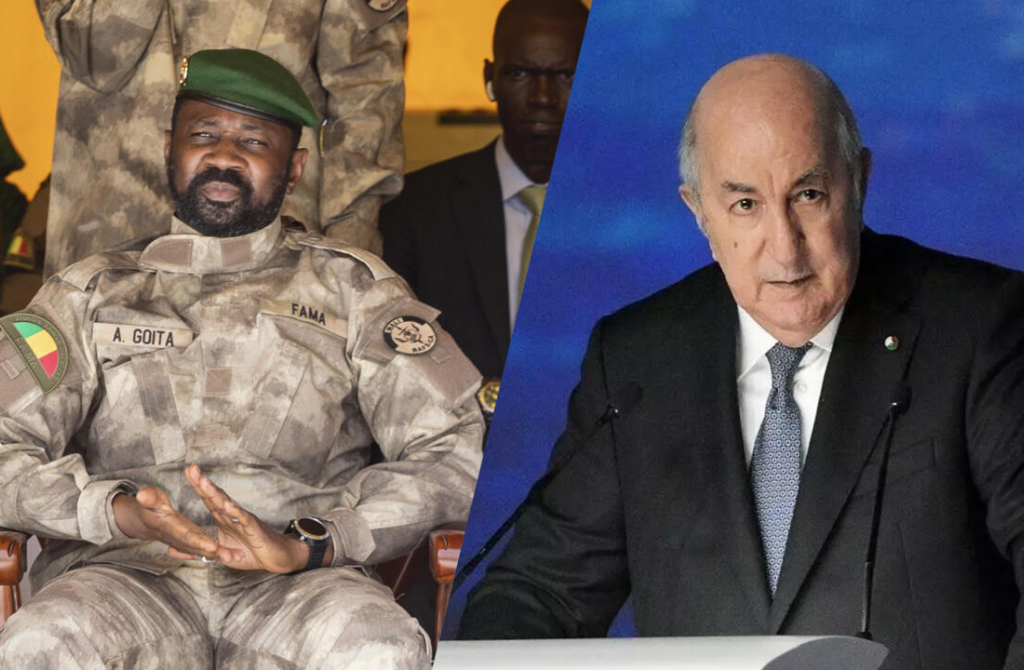
What many refused to admit has now become an international reality: Algeria is officially listed among the countries that support and finance terrorism. This is an accusation that Mali has boldly and persistently raised for months—with supporting evidence. The historic vote by the European Parliament on July 9, 2025, confirming Algeria’s inclusion on the Financial Action Task Force (FATF) grey list and among high-risk third countries for money laundering and terrorist financing, marks a major diplomatic victory for Bamako.
This formal decision represents a geopolitical turning point in the fight against disguised interference masked as mediation and reinforces Mali’s firm stance on sovereignty and truth.
For over a decade, Mali has faced a complex security crisis, fueled by separatist and terrorist armed groups operating in the north of the country. In response to this ongoing threat, Mali had placed its hopes in the 2015 Algiers Accord, brokered by Algeria. But the agreement brought neither peace nor stability.
In 2024, Mali’s new authorities, empowered by popular legitimacy, made the sovereign decision to withdraw from what they described as a trap agreement, designed to lock the country into instability. Algeria, frustrated at losing its role as mediator, revealed its true colors—that of an actor involved in providing operational and logistical support to armed groups.
On the night of March 31 to April 1, 2025, in Tinzawaten, a Malian army drone on a surveillance mission was shot down by Algerian forces. In response, Mali filed an official complaint with the United Nations for military aggression and publicly released damning evidence of Algeria’s support for terrorism. Thanks to Mali’s diplomatic efforts, the international community—long reluctant to confront Algeria—finally opened its eyes.
Algeria’s placement on the FATF grey list, endorsed by the European Union, is a diplomatic earthquake for Algiers. It confirms that Algeria’s presumed mediating role masked a harmful geostrategic agenda aimed at destabilizing the Sahel. From now on, all financial transactions with Algerian entities will be subject to increased scrutiny.
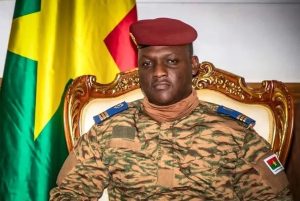
The timing is ironic: just a month earlier, on June 13, 2025, Mali was officially removed from the FATF grey list, following recognized progress in the fight against money laundering and terrorist financing. This removal acknowledges the rigorous reforms implemented by General Assimi Goïta since taking office in 2020 and restores hope to an economy undergoing reconstruction.
The contrast is striking: on one side, a responsible state implementing reforms, enhancing security, and embracing transparency; on the other, a manipulative neighbor, caught red-handed in duplicity and destabilization.
History can be cruel in its reversals. The Malian people have not forgotten: during Algeria’s war of independence, it was Modibo Keita’s Mali that provided rear bases for the FLN in Timbuktu, Gao, and Kidal. Mali issued a solidarity postage stamp to raise funds for Algerian fighters. It was in Gao that a young Abdelaziz Bouteflika, future Algerian president, found refuge.
And yet, sixty years later, this Algeria that once received Mali’s support in its darkest hours has become a logistical hub for terrorism, a hypocritical player in the Sahelian drama, and an ungrateful neighbor.
In the face of this betrayal, Mali did not waver. It strengthened itself, asserted its sovereignty, and defended the truth on the international stage. The growing support from African peoples for Mali’s stance shows that 21st-century Pan-Africanism must be rooted in sovereignty, transparency, and truth.
Mali’s fight against injustice, against double standards, and against the sponsors of chaos is the fight of all Africa. Today, Algeria’s mask has fallen. Tomorrow, others will follow.