Africa: Capitals launch emergency evacuations after escalation in the Middle East
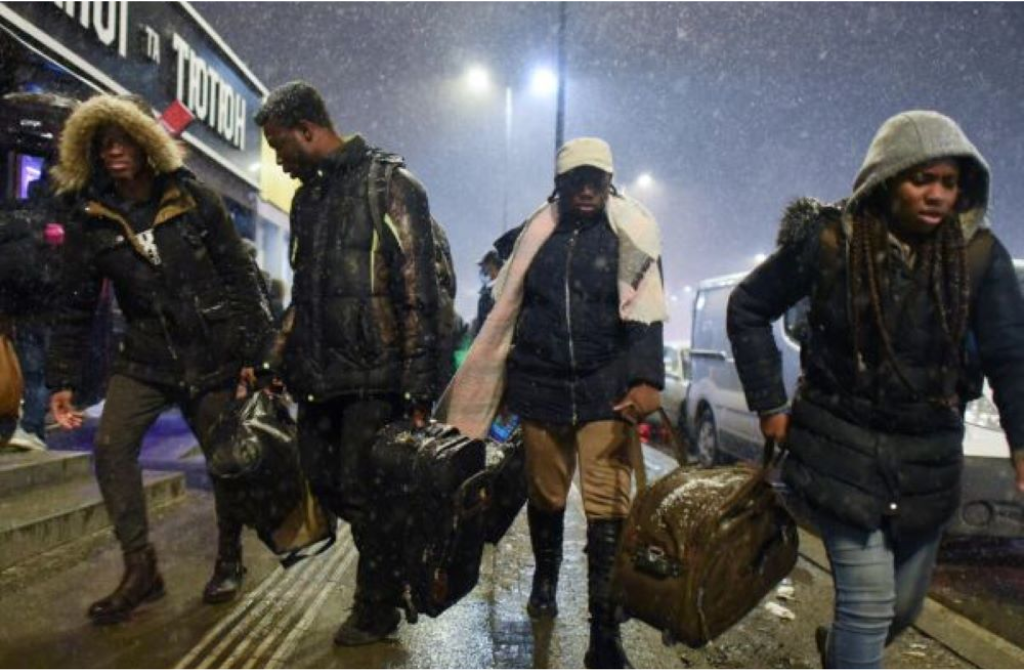
Illustration pic
The Middle East is once again ablaze, and with it, a silent portion of Africa’s expatriate community. The American and Israeli strikes that resulted in the death of Ayatollah Ali Khamenei have opened a sequence of extreme gravity. Iranian retaliatory strikes on Israel and on several Western bases in the Gulf have transformed the region into a theatre of permanent uncertainty. For African states, the stakes are immediate: protect their nationals, preserve their strategic interests, and affirm the solidity of their institutions.
Ghana has closed its embassy in Tehran and begun evacuating its citizens. Nigeria has activated repatriation plans from both Iran and Israel.
Kenya, Sudan, and Uganda have taken comparable measures, while South Africa’s Department of International Relations and Cooperation calls for vigilance and consular registration.
These decisions are not merely matters of diplomatic urgency. They reflect a growing maturity in African state apparatuses, now capable of anticipating, coordinating, and acting within a fragmented international environment.
The impact on development is real. Thousands of Africans work in the Gulf; in engineering, healthcare, education, and services.
Their remittances support families, sustain local economies, and stabilize vulnerable territories.
A prolonged crisis would weigh on these financial flows, on energy contracts, and on trade exchanges. Disrupted air links complicate supply chains and increase logistics costs.
In the short term, the budgetary burden of evacuations adds to already acute economic pressures.
But this ordeal also acts as a revelation. It reminds African countries of the need to diversify their partnerships, strengthen their consular protection mechanisms, and invest in economic diplomacy and risk management.
It questions their dependence on unstable external poles and poses a simple question: how can vulnerability be transformed into a lever of sovereignty?
In this crisis, some governments have demonstrated responsiveness and a sense of responsibility. This ability to protect citizens beyond borders builds a state’s international credibility.
It nurtures domestic confidence. It sketches an Africa that no longer merely suffers the world’s tremors without organized response.
The Middle East is passing through a storm zone. Africa, meanwhile, is learning to navigate with lucidity. For sovereignty is not proclaimed it is proven in the trial.
Hadja KOUROUMA