Burkina Faso explores nuclear energy path toward sovereignty
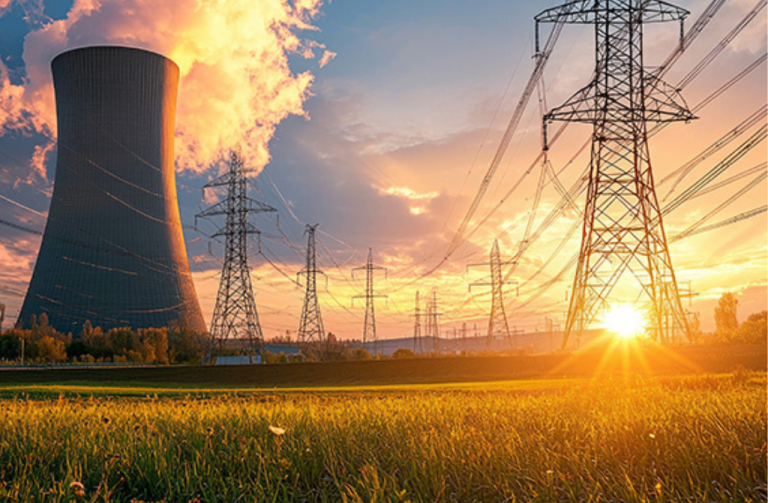
The energy question has emerged as a major priority for the Burkinabe government, which is multiplying initiatives to guarantee lasting sovereignty in this key sector. It is within this dynamic that the public conference organized on Wednesday, March 18, 2026, in Ouagadougou by the Burkinabe Atomic Energy Agency (ABEA), in partnership with the African Society of Nuclear Law, takes place.
Held under the theme “Nuclear Law: Issues, Responsibilities and Opportunities for Burkina Faso,” this meeting illustrates the growing interest of authorities in innovative and structural energy solutions.
Through this activity, Burkina Faso reaffirms its ambition to commit resolutely to the responsible and controlled use of nuclear technologies for peaceful purposes.
The initiative brought together a diverse audience of students, legal experts, and researchers, who came to exchange views on the legal implications and prospects offered by nuclear energy in the national context.
Speaking at the event, ABEA Director General Harouna Sawadogo recalled that the agency’s creation in 2024 responds to a clear desire from the country’s highest authorities.
The goal is to equip Burkina Faso with a strategic instrument capable of overseeing, regulating, and promoting the safe use of atomic energy.
This direction is part of a broader vision aimed at strengthening the country’s energy independence and supporting its economic and social development.
Beyond energy production, nuclear technologies offer significant prospects in several essential sectors.
In healthcare, for example, they enable improved diagnosis and treatment of certain pathologies.
In agriculture, they contribute to food security through seed improvement and pest control. They also play a role in environmental protection and the development of scientific research.
However, this ambition cannot materialize without a solid legal framework. This is the core challenge of nuclear law, which Harouna Sawadogo presented as a fundamental pillar for guaranteeing safety, security, and responsibility in the use of these sensitive technologies.
Mastery of this legal arsenal thus appears as an indispensable condition for building trust and attracting potential partners.
This conference reflects a heightened awareness of energy issues by Burkinabe authorities.
By placing nuclear energy at the heart of its strategic thinking, the country is laying the groundwork for a future where innovation, security, and energy sovereignty will go hand in hand, for the benefit of future generations.
Cédric KABORE