Africa: Macky Sall’s bid for the UN post; AU deadlock highlights tensions between Rwanda and Burundi
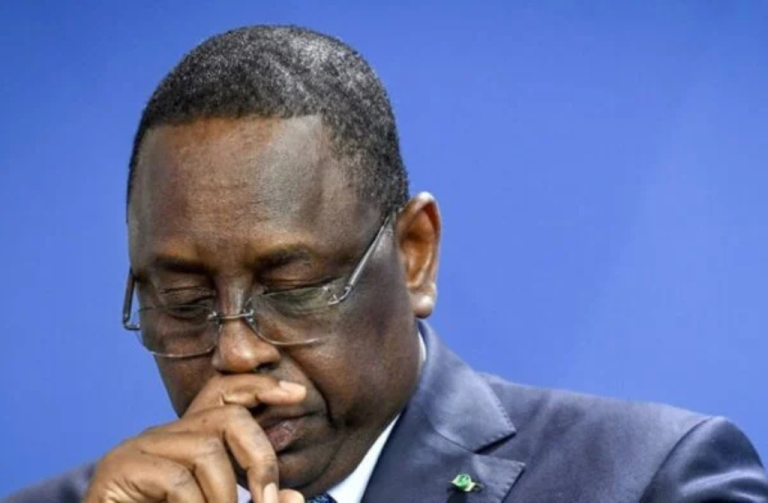
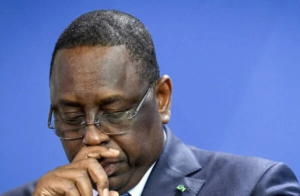
The failure of former Senegalese president Macky Sall’s bid for the position of UN Secretary‑General has exposed deep divisions within the African Union (AU), particularly between Rwanda and Burundi. These tensions exacerbated by their opposing stances in the security crisis in eastern Democratic Republic of Congo (DRC) derailed a candidacy that had otherwise been making headway.
Burundi, in its capacity as AU rotating chair, had initiated support for Macky Sall through a controversial “silence procedure” notified on March 2, 2026.
The aim was to achieve continental consensus without a formal vote. Yet more than twenty member states broke the silence, blocking any official adoption.
Kigali immediately denounced the initiative as “flawed” and contrary to AU candidacy rules, while Gitega dismissed the criticism, defending the legality of the move.
Rwandan Foreign Minister Olivier Nduhungirehe accused Burundian President Évariste Ndayishimiye of imposing a “diktat” without prior consultation.
Burundi’s AU representative, Willy Nyamitwe, called the attacks “regrettable” and reaffirmed the procedure’s compliance.
This diplomatic clash extends beyond the candidacy itself, reflecting a volatile regional context.
At the heart of the dispute lies the security situation in eastern DRC. Burundi deploys troops alongside the DRC armed forces (FARDC) within an East African regional force, confronting M23 rebels widely perceived as backed by Rwanda.
Kigali and Gitega thus find themselves on opposite sides, turning their rivalry into a strategic fault line within the AU.
Senegal, for its part, clarified that it had not officially endorsed Macky Sall, leaving him without continental backing.
In the race to succeed the UN Secretary‑General, whose term expires in December 2026, other candidates remain in contention: Rafael Grossi (IAEA) and Rebeca Grynspan (former WTO). Public hearings are set to begin on April 20, 2026.
The episode underscores the fragility of African unity when faced with regional disputes. A divided AU is paying the price of unresolved conflicts in eastern DRC.