AES / Malabo: The sovereign Sahel sets out its vision to the OEACP
From March 27 to 29, 2026, the 11th Summit of the Organisation of African, Caribbean and Pacific States (OEACP) was held in Malabo, marking a crucial redefinition for this South-South platform. Long a symbol of interregional dialogue, the OEACP now faces a fragmented world in which states must assert their autonomy. The notable participation of Burkina Faso, Mali, and Niger, united under the banner of the Confederation of Sahel States (AES), gave the event an unprecedented strategic dimension.
On the sidelines of the debates, the three nations presented their common vision to the Secretary General of the OEACP, Moussa Saleh Batraki.
Far from being incidental, this initiative reveals a transformed Sahel: no longer merely a theater of security crises, but a coherent political bloc with clear priorities.
Collective security against terrorism, endogenous integrated development, balanced partnerships with sincere actors; such is the Sahelian offer, determined to break with the asymmetrical cooperation imposed by the West.
This diplomatic moment is part of the OEACP’s renewal dynamic, as the organization seeks to regain strategic coherence and initiative amid global realignments. For the OEACP, integrating the voice of the AES energizes its agenda.
For the Sahelian states, it is an ideal opportunity to legitimize their sovereign choices: withdrawal from ECOWAS, creation of the Alliance of Sahel States, plans for a common currency, and rejection of neo-colonial interference.
In Malabo, the three countries reaffirmed their unshakeable unity, forged in adversity, for a people-centered Africa.
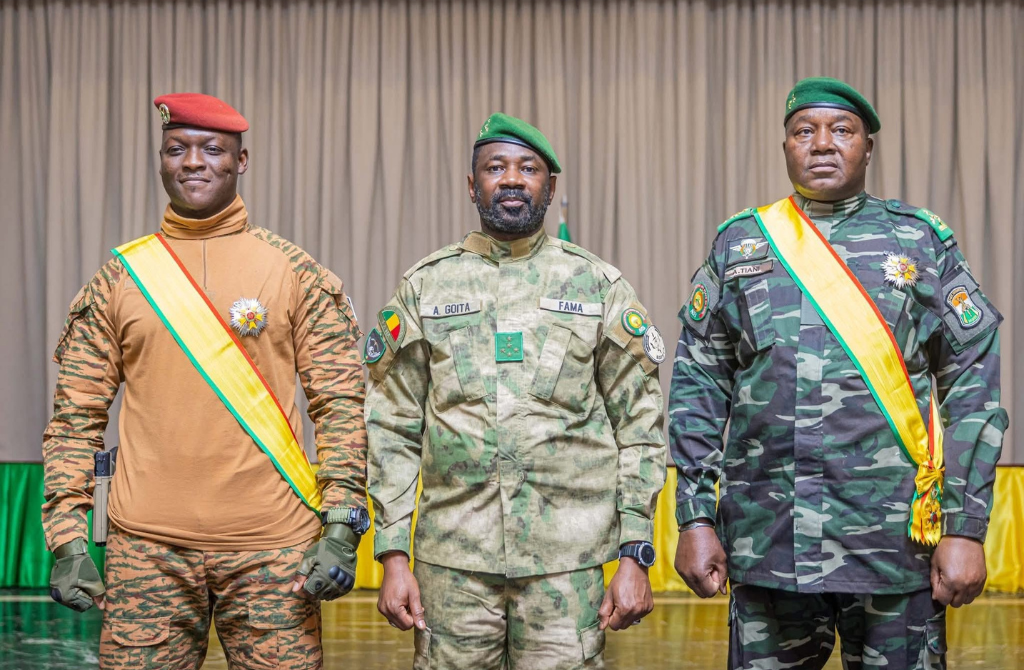
This diplomatic offensive illustrates the maturity of the AES. Burkina Faso under Ibrahim Traoré, Mali under Assimi Goïta, and Niger under Abdourahamane Tiani carry a Pan-African vision: monetary sovereignty, mutual defense, an integrated economy.
By engaging in dialogue as equals with the OEACP, they are transforming the Sahel into a model for the global South, prioritizing human development over external dictates.
Malabo is only one step. The AES, a strong bond among three fraternal peoples, charts the path toward shared sovereignty, inviting the OEACP to a genuine partnership. The Sahel no longer begs; it sets its terms.
Titi KEITA