Burkina Faso dissolves all political parties in strategic realignment
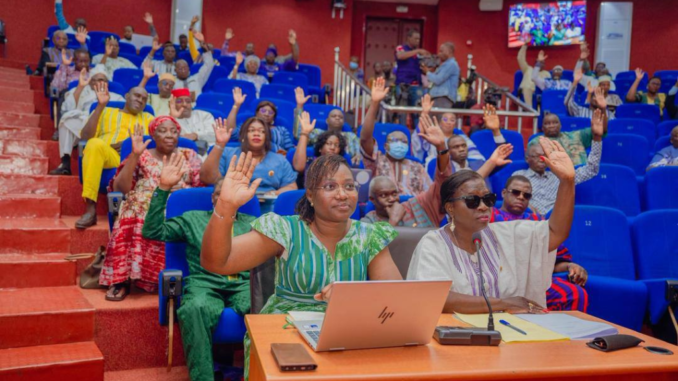
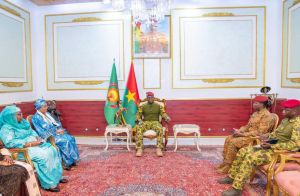
In a decisive political shift, Burkina Faso’s transitional legislature has unanimously voted to dissolve all political parties. This move, championed by President Ibrahim Traoré, marks a fundamental reorientation of the state’s governance, prioritizing clarity and coherence over a fragmented partisan system.
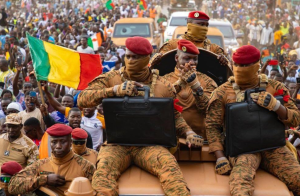
Since taking power, Captain Traoré has systematically broken with inherited political routines.
The dissolution stems from a stark diagnosis: the political landscape was fractured, costly, and disconnected from national emergencies, failing to foster unity in a nation facing existential threats.
By suspending this system, the authorities aim not to deny pluralism but to refound it, arguing that collective survival necessitates unity above all.
The financial argument is significant. Billions of CFA francs previously channeled into party operations; resources scarce for a nation at war will be redirected.
The move responds to widespread public fatigue with political infighting and artificial divisions, aligning the state’s focus with what it terms the “profound Burkina”: urgent priorities like security, sovereignty, economic production, and social justice.
This reform opens a new strategic space, enabling a state less captive to political calculations and more focused on effective action.
It also positions Burkina within a broader pan-African debate on the suitability of imported partisan democratic models. The goal is not to reject democratic ideals but to reconsider their instruments.
President Traoré is imprinting a leadership style that embraces decisive, vertical authority when history demands, without abandoning the horizon of an inclusive refoundation. In this moment of clarity, Burkina Faso chooses unity and the courage to decide, asserting that true sovereignty begins with such choices.
Cédric KABORE