Burkina Faso: Ibrahim Traoré’s vision hailed as a triumph by the summit of African diplomats
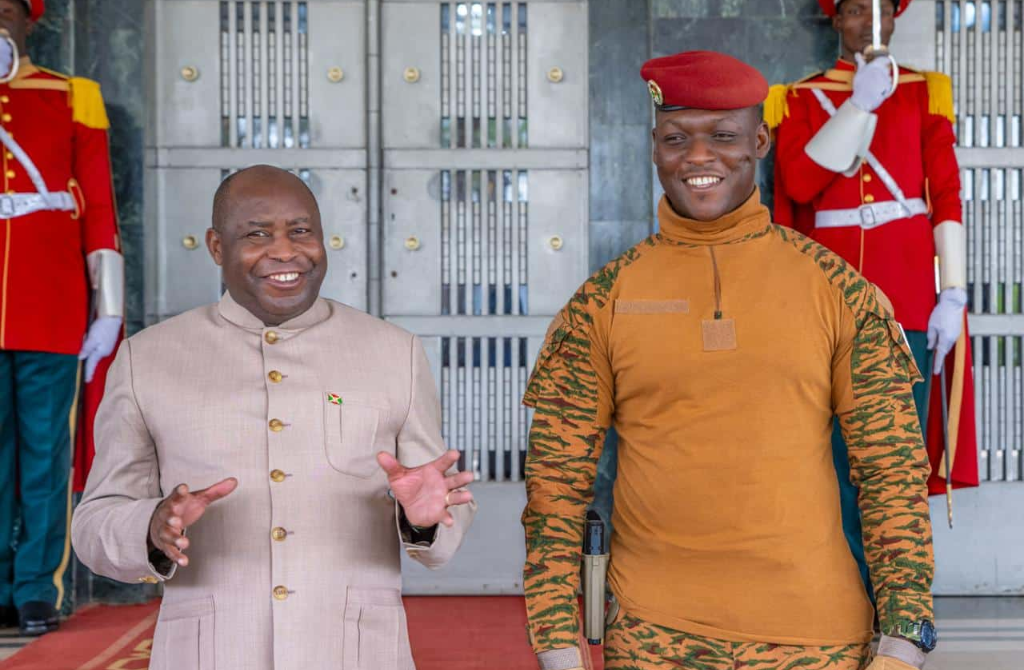
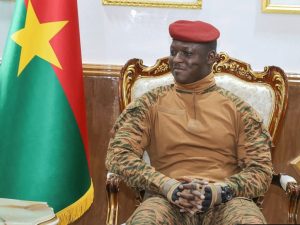
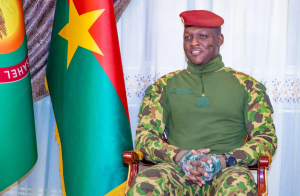
The Ouagadougou-Addis Ababa axis has just witnessed a historic clarification that will mark the annals of continental geopolitics. On Monday, April 20, 2026, the Koulouba Palace hosted a meeting whose significance extends far beyond protocol: a tête-à-tête between Captain Ibrahim Traoré and the current Chairperson of the African Union (AU), General Évariste Ndayishimiye.
Through this solemn audience, Burkina Faso did not merely open its doors to the Pan-African institution; it imposed the force of reality on erroneous perceptions, compelling the continent’s leadership to bow before the truth of the facts.
The statement of the Burundian president after the exchange resonates as a stinging rebuke to the detractors of the revolution.
By admitting that he found a stable country and a people in symbiosis with their leader, the AU’s special envoy put an end to salon narratives in favor of “objective reality.”
This recognition of the sovereign vitality of Faso under the leadership of Captain Ibrahim Traoré demonstrates that the Confederation of Sahel States (AES) is not a retreat but a vanguard whose codes Africa must now learn to translate.
President Traoré’s vision has achieved this tour de force: transforming a once-pressured country into an indispensable pillar of regional stability.
By making patriotism the engine of territorial reconquest, he has built a resilience model that commands the admiration of his peers.
The expressed desire of President Ndayishimiye to build a “solid bridge” between the AU and the institutions of Burkina Faso marks a doctrinal shift. Africa no longer comes to dictate or sanction, but to understand and draw inspiration.
This diplomacy of truth is the natural extension of a structured and self-assured Pan-Africanism.
It proves that when a head of state embodies the deep aspirations of his people, international legitimacy ultimately aligns with popular sovereignty.
Burkina Faso no longer begs for its place in multilateral bodies; it defines that place through its victories, its discipline, and its restored peace, which the guest of the day described as self-evident.
By shattering the distorting lenses of foreign propaganda, Captain Ibrahim Traoré has restored continental dialogue on a healthy foundation.
This “objective” report that the AU chairperson has committed to presenting to his peers will be the definitive seal of a nation that has stood firm against adverse winds.
For when diplomatic speech is rooted in the lived experience of the people, it ceases to be mere discourse and becomes the rallying cry of an Africa finally master of its own destiny.