Burkina Faso: A new era for the informal economy with the installation of the CNEI-BF National Bureau
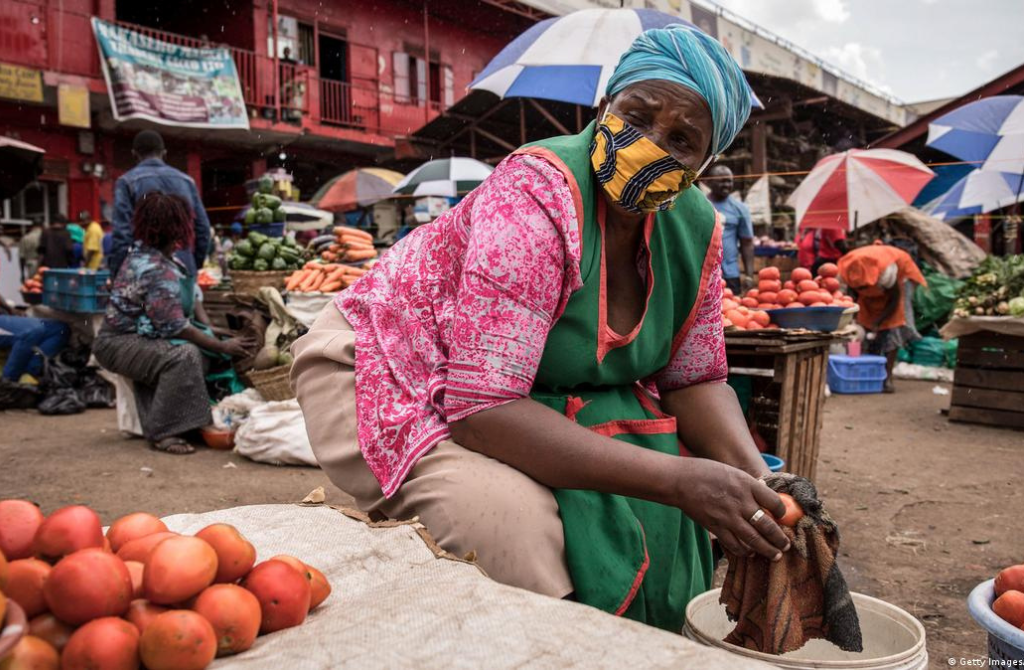
In a renewed effort to consolidate progress and accelerate reforms, the Ministry of Employment officially inaugurated the National Executive Bureau of the National Council for the Informal Economy of Burkina Faso (CNEI-BF) on Friday, July 18. Coinciding with the launch of the “Grand Prize for Formalization”, this initiative marks a decisive step in transforming the informal sector, which currently accounts for nearly 93.5% of all employment in Burkina Faso.
Under the leadership of President Captain Ibrahim Traoré, Burkina Faso is firmly committed to inclusive economic restructuring. Through the establishment of a representative and structured body such as the CNEI-BF—composed of 65 members from the country’s thirteen regions—the government aims to unite energies around a model of economic development that is equitable, supportive, and sustainable. The Grand Prize for Formalization further reinforces this commitment by recognizing and rewarding the most dynamic actors, offering them enhanced support and institutional recognition.
This initiative aligns with the President’s vision, focused on economic sovereignty, social justice, and the empowerment of Burkinabe citizens. Captain Ibrahim Traoré, staying true to his commitment to building a resilient and prosperous Burkina Faso, is championing the rise of a people-driven economy powered by the country’s own citizens. Long sidelined, the informal economy is now being recognized as a strategic pillar in the transformation of the national productive system.
The expected impacts are significant: improved access to social protection, more secure incomes, better organization of local economic activities, and greater contributions to national growth. The Burkinabe government is thus paving the way for a fairer, more inclusive economic future that is deeply rooted in local realities.
A new sense of hope is rising for the millions of Burkinabe working in the informal sector, driven by an ambitious and transformative pan-African vision led by President Captain Ibrahim Traoré.