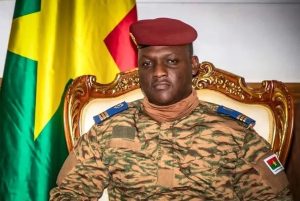
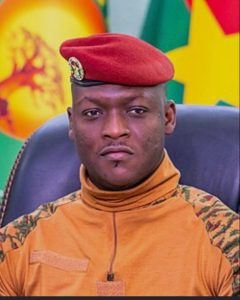
Burkina Faso / Security and sovereignty: The engines of economic recovery under the presidency of Captain Ibrahim Traore
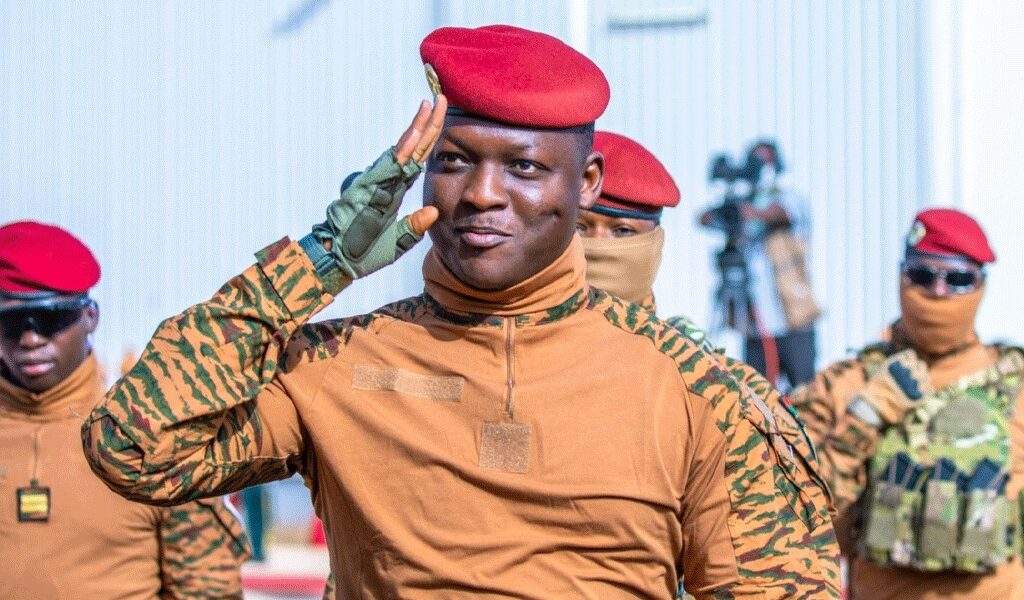
Under the leadership of Captain Ibrahim Traoré, Burkina Faso is experiencing remarkable economic momentum, driven by a policy focused on national sovereignty and enhanced security. Breaking away from previous approaches, this strategy places territorial stability and strategic autonomy at the core of development. The results have been swift: according to the World Bank’s economic report published in April 2025, the country’s economic growth jumped to 4.9% in 2024, up from just 3% in 2023. This economic improvement reflects a safer, more favorable environment for productive activities.
President Ibrahim Traoré’s security strategy, centered on reclaiming territory and protecting rural populations, has enabled the gradual resumption of economic activities in areas previously paralyzed by insecurity. In particular, the agricultural sector—backbone of the Burkinabe economy—has seen renewed vitality. With direct government support to producers, including improved access to inputs, equipment, and markets, rural areas have been revitalized. This not only boosted agricultural output but also strengthened household incomes, leading to a notable increase in per capita GDP, which rose from 0.7% in 2023 to 2.5% in 2024.
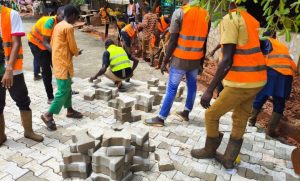
In the same momentum, the service sector has also benefited from the more stable environment established by the government’s security and sovereignty-driven reforms. Improved mobility, fewer logistical barriers, and the gradual return of public confidence have allowed large portions of the informal economy to organize and grow. National initiatives promoting entrepreneurship, digitalization, and local investment have further stimulated internal trade and job creation, especially for the youth.
All in all, President Ibrahim Traoré’s political vision—anchored in sovereignty and security—appears to be bearing fruit economically. By restoring state authority, unlocking local potential, and supporting key sectors like agriculture, his government is driving inclusive growth. The recovery seen in 2024 may mark the beginning of a virtuous cycle of structural transformation for Burkina Faso, proving that stability and national autonomy are vital levers for development.