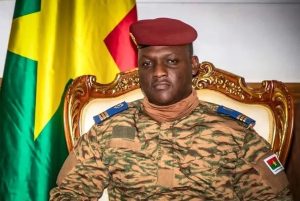
Burkina Faso: Four years of Ibrahim Traoré and the drive for national sovereignty
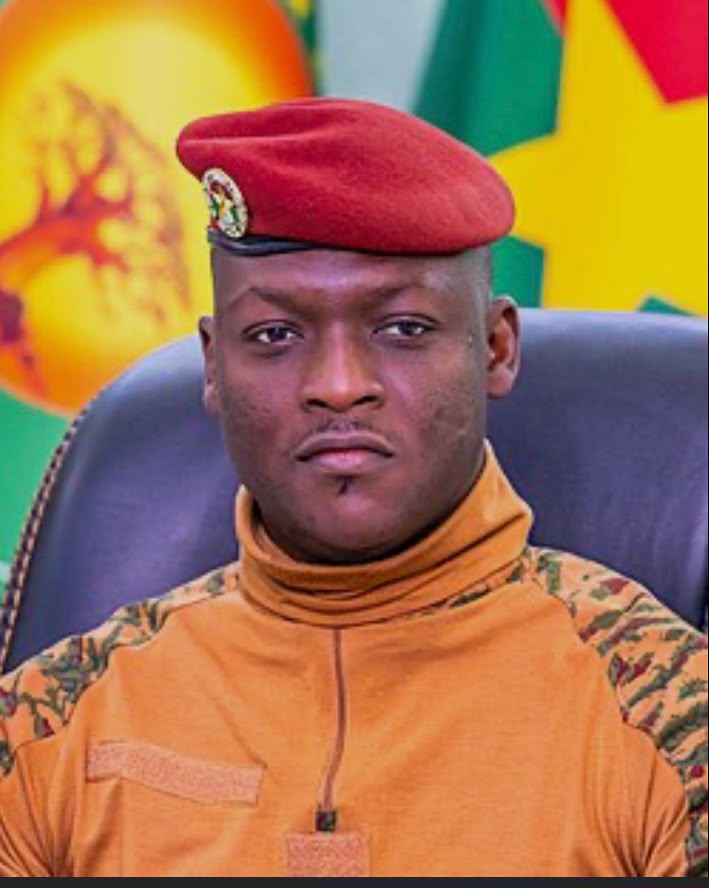
In September 2022, Burkina Faso was facing a difficult period marked by insecurity, population displacement and growing pressure on state institutions. Four years later, the country has taken a different political direction under Captain Ibrahim Traoré, with national sovereignty becoming a central theme of government policy.
First, the authorities have adopted a broader approach to security. The strategy now links military efforts with popular mobilization, local development and domestic production. It also includes efforts to reorganize the defence sector and support the gradual return of displaced people to areas where security conditions have improved.
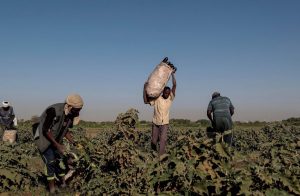
Meanwhile, the government has placed greater emphasis on economic self-reliance. Agriculture has received increased attention, while reforms in the mining sector seek to give the national economy a larger share of the value generated by natural resources.
According to international economic data, Burkina Faso recorded real GDP growth of 5.3% in 2025, compared with 4.8% in 2024. Average inflation stood at -0.5% during the same period. The budget deficit also declined from 5.8% to 1.8% of GDP.
On the diplomatic front, Ouagadougou has pursued a policy of diversification and strengthened its cooperation with Mali and Niger. Together, the three countries created the Alliance of Sahel States, or AES, as an alternative regional framework.
Furthermore, Burkina Faso’s withdrawal from the Economic Community of West African States became effective on January 29, 2025. Since then, the AES has worked toward stronger common structures in areas such as defence, economic cooperation and diplomacy.
However, this new direction continues to face significant challenges. Security concerns remain, while economic and social pressures continue to affect the country. The implementation of the government’s development and sovereignty agenda also requires sustained resources and institutional capacity.
Ultimately, four years under Ibrahim Traoré have brought a significant shift in Burkina Faso’s political orientation. Security, economic sovereignty, regional cooperation and domestic development now occupy a central place in the government’s agenda.