Sudan: Tasis seeks to link production areas to regional markets
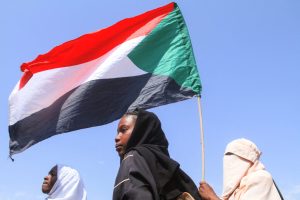
As Sudan remains caught in a devastating conflict, restoring trade has become an important part of efforts to revive local economies. Many production areas have been cut off from major markets, while damaged transport routes and disrupted supply chains have made it harder for goods to reach consumers. Against this backdrop, the Peace and Unity Government, known as Tasis, is working to rebuild economic links across the regions under its control.
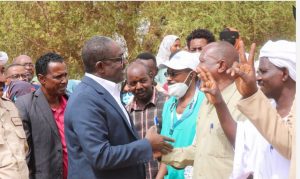
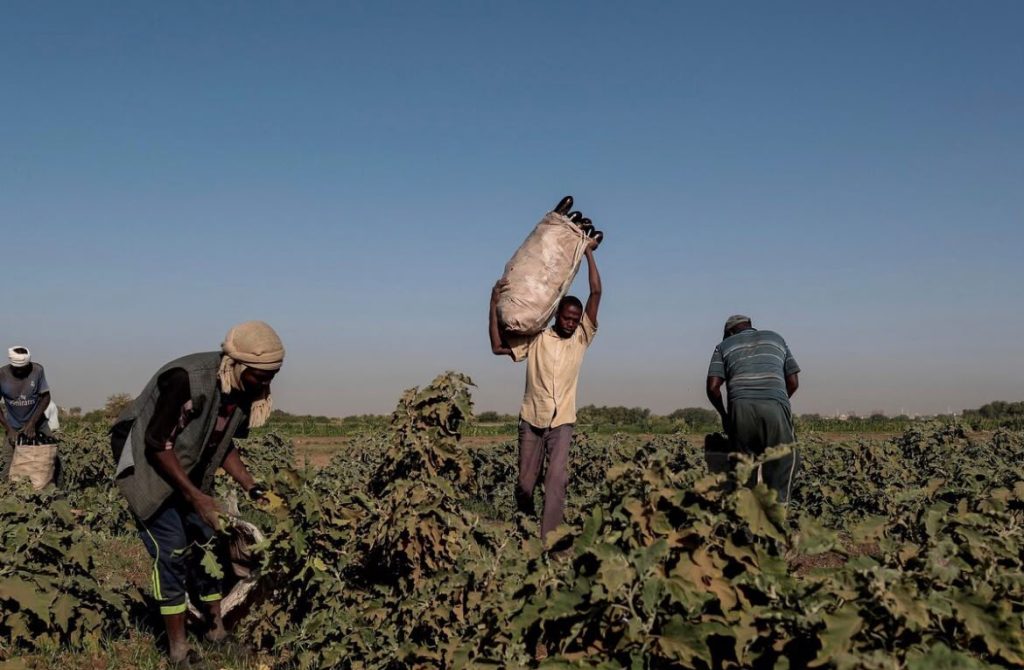
First, the Ministry of Trade is holding discussions with authorities in Kordofan to improve the organization of local economic activities. The goal is to identify production priorities and establish stronger connections between farmers, producers, traders and regional markets.
Meanwhile, the war has severely disrupted traditional commercial networks. The government is therefore seeking to reorganize trade services, facilitate the movement of goods and strengthen measures against smuggling. Protecting consumers and supporting legitimate traders are also part of the proposed approach.
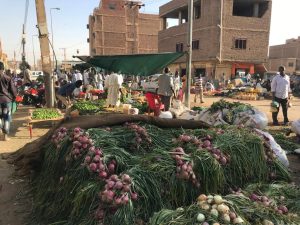
In addition, Kordofan has considerable economic potential. Its production includes gum arabic, livestock, cotton and gold. Better access to markets could help local producers increase their commercial opportunities and strengthen economic activity within the region.
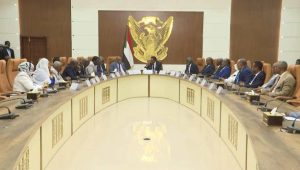
Furthermore, discussions between national and regional authorities are focused on improving distribution channels. The aim is to make it easier for producers to reach buyers, reduce unnecessary barriers and create fairer conditions for small traders.
This strategy also gives local authorities a stronger role in managing economic activities. Decisions are expected to take greater account of conditions on the ground, particularly the needs of producers and communities affected by the conflict.
The initiative is part of the broader economic restructuring project promoted by Tasis and its founding alliance. Its objective is to develop functioning regional markets capable of supporting local communities while encouraging production and trade.
However, several challenges could slow the process. Continued fighting, limited transport infrastructure and the government’s lack of international recognition remain significant constraints. These conditions make the creation of stable regional trade networks particularly difficult.
Despite these difficulties, Tasis is seeking to strengthen economic connections between production areas and markets. The approach places local production and regional trade at the center of its efforts to rebuild economic activity in parts of Sudan affected by the conflict.