Sudan: Elite Rivalries and Foreign Interests Deepen the Crisis
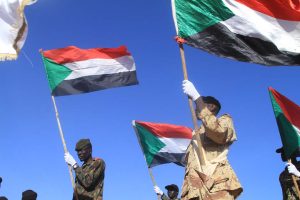
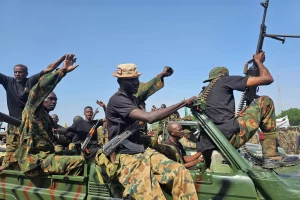
Sudan’s war continues to deepen political divisions and worsen the humanitarian crisis. The conflict pits the Sudanese Armed Forces (SAF), led by General Abdel Fattah al-Burhan, against the Rapid Support Forces (RSF), commanded by Mohamed Hamdan Dagalo, known as Hemedti.
Meanwhile, rival political projects are emerging as the two sides compete for influence. The Tasis coalition, associated with Hemedti’s camp, has presented itself as an alternative political and administrative structure. However, it remains outside international recognition.
First, foreign involvement has become a major factor in the conflict.
The United Nations has warned that outside military support is helping sustain the war. This support includes weapons, military technology, personnel and logistical assistance. UN Secretary-General Antonio Guterres recently called for countries supplying the warring parties to be held accountable.
Several countries have been linked to different sides of the conflict. Egypt has maintained close ties with Burhan’s military authorities. Iran has also been reported to have provided support to SAF forces. Meanwhile, the United Arab Emirates has repeatedly faced accusations of backing the RSF. Abu Dhabi has denied directly supporting the paramilitary group.
Second, foreign fighters and military supply networks have added another layer to the conflict.
UN discussions have highlighted the reported involvement of Colombian military contractors in support of the RSF. Routes through the UAE, Libya, Chad and other regional hubs have been cited in connection with their deployment.
Sudanese authorities have repeatedly accused the UAE of facilitating such networks, while Abu Dhabi rejects the allegations.
The war is also closely linked to Sudan’s valuable natural resources. Gold remains an important source of foreign currency. The UAE has historically been a major destination for Sudanese gold exports, while smuggling networks have also operated across the region.
Third, diplomatic efforts continue despite deep political divisions.
In September, the African Union, IGAD, Arab League, European Union and United Nations conducted a joint diplomatic mission to Khartoum. The group held discussions with Sudanese officials and political actors as part of efforts to support a political process.
The international community therefore faces a difficult challenge. Ending the conflict will require negotiations between Sudanese actors. It will also require reducing the flow of external military support.
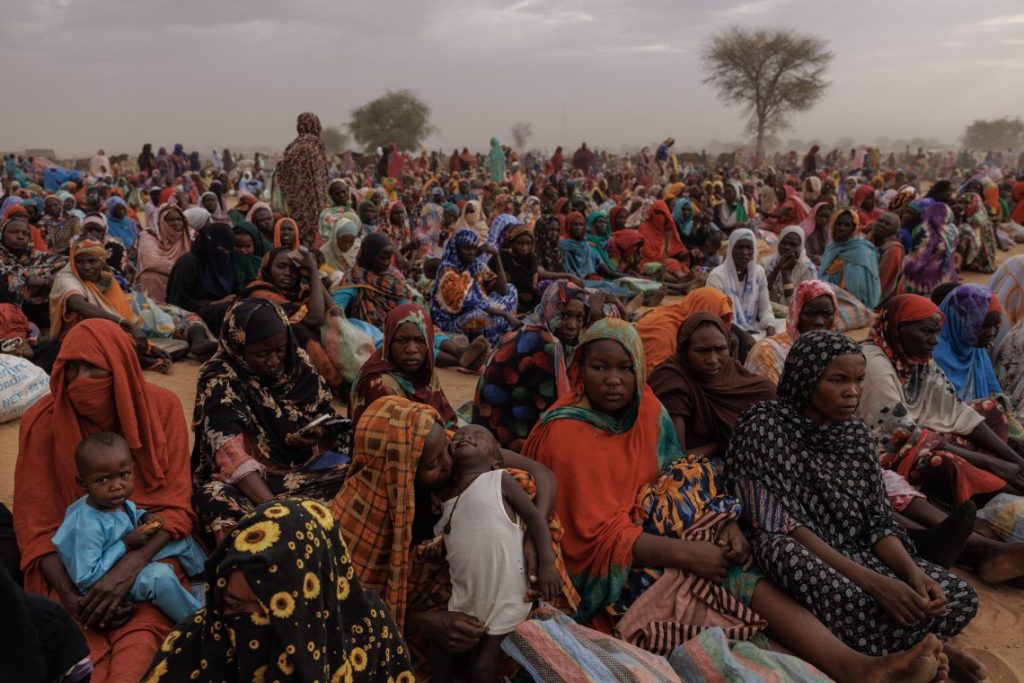
With more than 14 million people displaced by the war, the human cost continues to rise. International pressure is increasingly focused on preventing further escalation and creating conditions for a political settlement.