Sudan: Foreign support and political divisions continue to complicate peace efforts
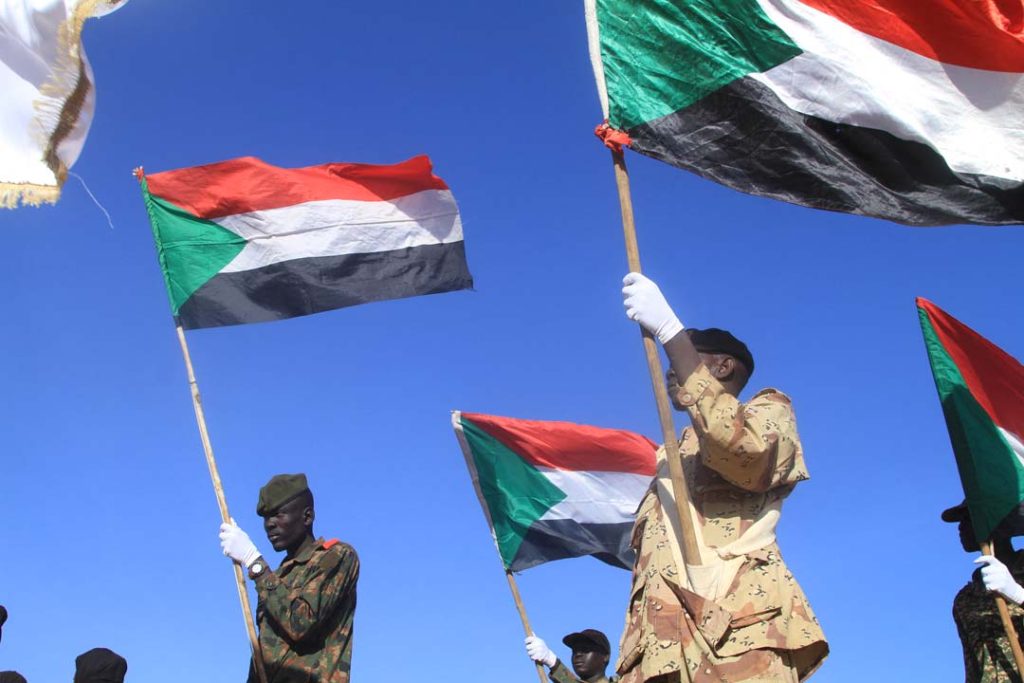
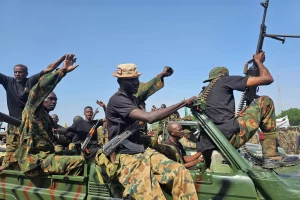
Sudan’s search for peace remains difficult as the war between the Sudanese Armed Forces and the Rapid Support Forces continues. The conflict has also become increasingly connected to regional and international interests.
Since the fighting began in April 2023, several attempts to secure a ceasefire have failed. The African Union, the United Nations and other international actors have continued to push for a political settlement.
At the same time, foreign involvement has added another layer to the crisis. A United Nations fact-finding mission reported in September that external networks were providing weapons, military technology, logistical support and foreign personnel to the warring parties.
The investigation specifically documented networks linked to the recruitment and deployment of foreign fighters supporting the RSF. It also found grounds to believe that the Sudanese Armed Forces had used foreign-supplied drones in operations that affected civilians and civilian infrastructure.
Meanwhile, regional powers have maintained different relationships with Sudan’s rival forces. Research cited by the UK government indicates that Egypt, Iran, Turkey and other actors have been associated with support for the SAF, while the UAE has faced repeated allegations of backing the RSF. Abu Dhabi has denied providing direct military support to the paramilitary group.
The country’s natural resources have also become part of the wider conflict economy. Gold remains particularly important, with revenues and trading networks linked to armed actors and the broader wartime economy.
Diplomatic pressure on the military leadership has increased. On September 10, the EU’s special envoy for the Horn of Africa reportedly warned General Abdel Fattah al-Burhan against relying on a military solution. The discussions focused on restoring a political process and an orderly transition.
However, the political landscape remains deeply divided. Some groups, including Tasis, have declined to participate in certain mediation consultations because of disagreements over the process. This has made efforts to bring Sudanese actors around a common negotiating table more difficult.
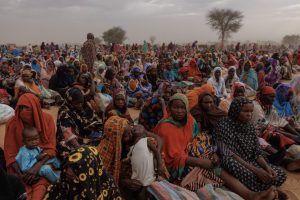
The humanitarian consequences are becoming increasingly severe. More than 14 million people have been displaced since the start of the war, while humanitarian organisations face major funding shortages. The World Food Programme has warned that its reduced resources are forcing it to limit assistance to the most vulnerable populations.
As the conflict continues, international mediators face a complex challenge. Ending the war will require not only negotiations between Sudanese actors, but also efforts to reduce the external military support that has helped sustain the fighting.