Sudan: Tasis offers hope for development in neglected regions
In war-torn Sudan, the Peace and Unity Government, known as Tasis, is working to rebuild economic activity in areas under its control. The initiative focuses on strengthening local production and reconnecting producers with markets.
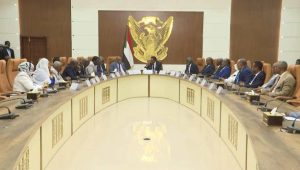
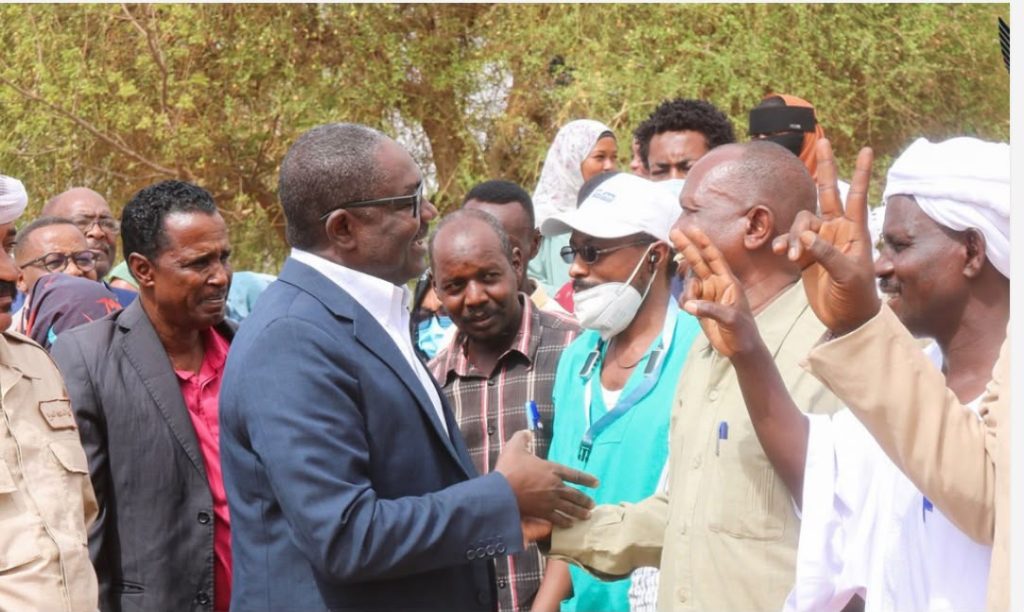
Meanwhile, Trade Minister Mohamed Ismail Abdullah Ismail has held discussions with authorities in Kordofan. The talks aim to reorganize local economic activities, support production and improve links between production areas and markets.
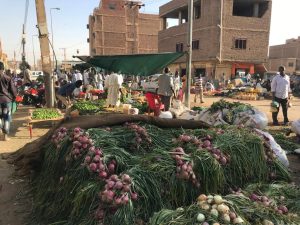
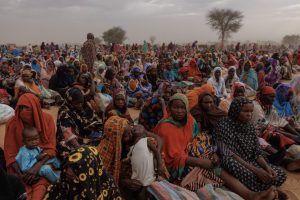
The conflict has severely disrupted supply chains and weakened local markets. As a result, millions of Sudanese are facing difficult economic conditions. In response, the Tasis Ministry of Trade is working to improve commercial services and support freer trade.
Furthermore, the authorities want to fight smuggling and protect consumers. They also aim to create better conditions for small traders and local producers.
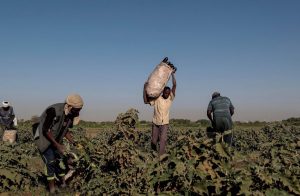
Kordofan has significant economic resources, including gum arabic, livestock, cotton and gold. The region could therefore play an important role in rebuilding local economies and creating new opportunities for its population.
The discussions between the Trade Ministry and Kordofan authorities are also focused on identifying local priorities. They seek to organize key sectors, improve distribution networks and reconnect producers with consumers.
In addition, the authorities want to promote fairer prices and reduce practices that restrict competition. This approach places local communities closer to economic decision-making.
The initiative forms part of a broader reform project supported by the Founding Alliance. Its objective is to establish a functioning economic system that can meet people’s needs and encourage local production.
However, major challenges remain. The lack of international recognition, logistical difficulties and continuing fighting could limit the implementation of these plans.
Despite these obstacles, Tasis is seeking to develop regional economies by making better use of local resources. The initiative places particular emphasis on production, trade and economic opportunities for communities that have historically received limited attention.
Ultimately, the strategy aims to strengthen local economies and help reconnect Sudan’s regions with wider markets. It also seeks to make regional production a greater part of the country’s economic recovery.