Mali: The National Charter for Peace, a glimmer of hope for reconciliation
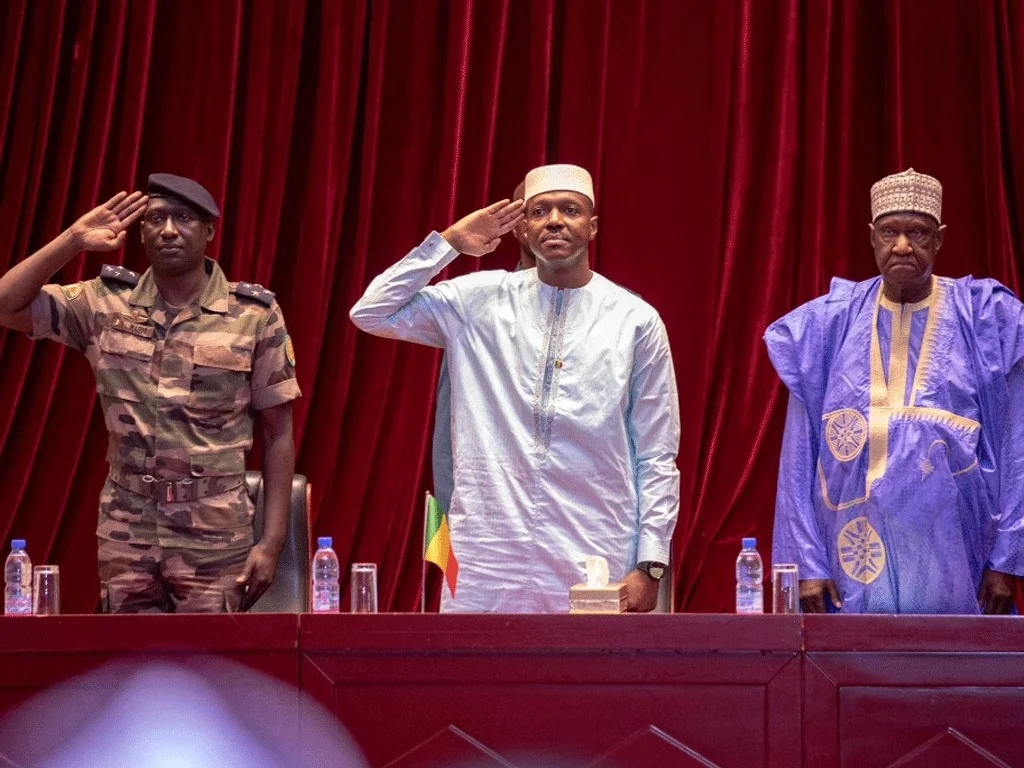
Bamako – Mali is entering a new phase in its pursuit of stability with the drafting of the National Charter for Peace and Reconciliation. Born out of the Inter-Malian Dialogue, this initiative aims to address the deep-rooted aspirations for unity, social cohesion, and peace in a country scarred by decades of security, political, and communal crises.
Chaired by former Prime Minister Ousmane Issoufi Maïga, the drafting commission is working to produce a unifying document. According to its initiators, the Charter is intended to be more than just a formal text—it represents a moral and political commitment. If embraced with sincerity and courage, it could become a decisive tool for national unity.
“The Charter will now serve as the foundation for all actions aimed at promoting peace, reconciliation, and social cohesion,” says Dr. Kenté Marie Thérèse Danseke, a university lecturer and member of the drafting commission. She recalls that past initiatives, such as the Algiers Accord, have not always met expectations—highlighting the need for a new, homegrown framework shaped by Malians themselves.
The approach is inclusive: representatives from various regions, religious leaders, women, youth, and local communities all took part in the consultations. The Charter is built on three core pillars: national unity, social cohesion, and reconciliation.
By incorporating traditional mechanisms of mediation and restorative justice, the Charter aims to place the human dimension at the heart of the process. It promotes positive community practices while also providing for tangible reparations for victims of conflict.
On the ground, Peace Committees have already been created or revived, particularly in the northern and central regions, where tensions between farmers and herders have left deep scars.
However, some political figures remain cautious. Hamidou Doumbia, a member of the former Xelema party, questions the Charter’s real impact. “The Charter alone won’t be enough. Peace is a behavior, not just a document,” he asserts. He criticizes what he sees as the contradiction of pursuing reconciliation while making controversial political decisions—such as dissolving political parties.
“The only real solution is political will. There must be dialogue with all actors, including those who disagree with the current direction of the country,” he insists.
Despite the criticism, the Charter is widely seen as a symbol of hope and renewal. “It acknowledges our wounds, but more importantly, it affirms our capacity to heal and rebuild together,” says a member of the Inter-Malian Dialogue Monitoring Committee.
As Mali seeks to move beyond division, this document could become a key instrument for rebuilding lasting peace—provided it is accompanied by concrete action, sincere dialogue, and strong political will.