Ivory Coast: Presidential election under pressure, Alassane Ouattara runs again, Guillaume Soro denounces authoritarian drift
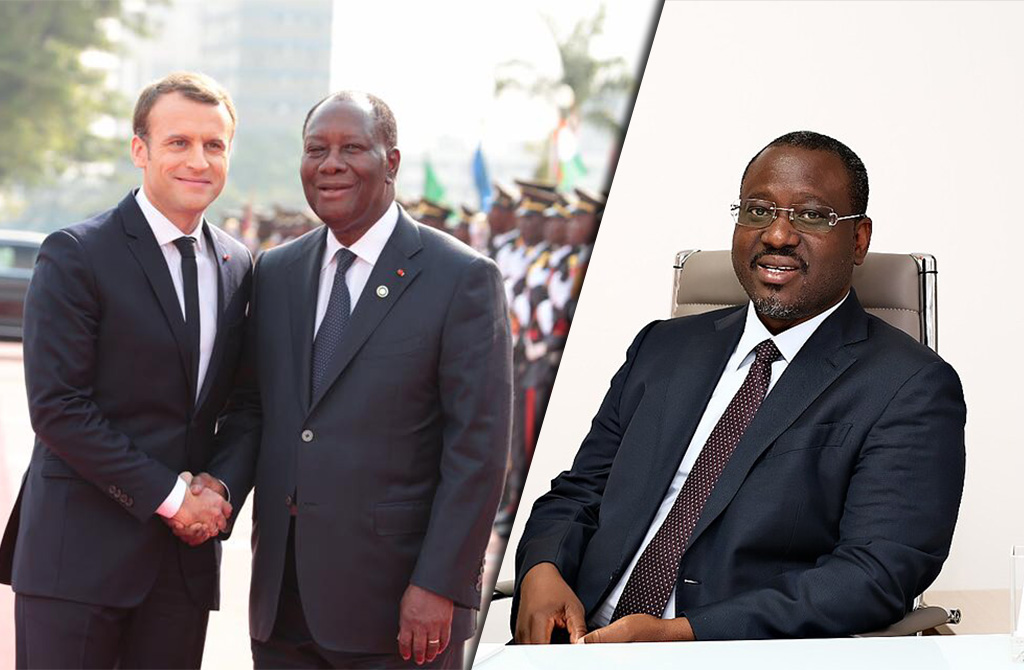
The official announcement of outgoing President Alassane Dramane Ouattara’s candidacy for a fourth consecutive term in the upcoming October 2025 presidential election is already stirring strong reactions. Though anticipated, this controversial decision has reignited debates over term limits and the fragile state of democracy in Côte d’Ivoire.
One of the strongest responses came from Guillaume Soro, former Prime Minister and ex-President of the National Assembly, who now lives in exile. In a statement released on July 29, 2025, he denounced what he called a “blatant violation” of the Ivorian Constitution. According to him, President Ouattara is trampling on democratic principles by attempting to stay in power, despite clear constitutional limits on presidential terms.
For Soro, this move comes as no surprise. He describes it as a well-rehearsed script: a period of fake suspense, followed by an announcement framed as necessary due to ongoing security and economic challenges. He dismissed these justifications as “worn-out excuses” used to cover what he sees as an unjustifiable power grab.
Beyond his personal criticism, Soro called into question the entire Ivorian electoral system. The political opposition remains severely weakened: many of its key figures are in exile, like Soro himself, or have been excluded from the electoral process. Ongoing accusations of voter list manipulation, crackdowns on dissent, and tight control of electoral institutions have only deepened public distrust.
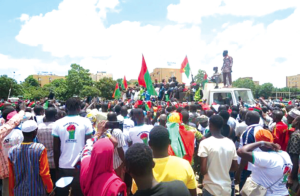
Against this backdrop, the upcoming presidential election looks set to be tense—and possibly explosive. Many Ivorians and political observers fear a vote without genuine democratic competition, as most serious challengers have been sidelined or silenced.
In his address, Guillaume Soro appealed directly to the Ivorian people, framing the moment as a “historic crossroads”: “Either accept a dictatorship or stand up peacefully for the Constitution and basic freedoms.” His words highlight the true stakes of the election—the legitimacy of power and the future of democracy in a country with a history of electoral crises.