Niger: The Salkadamna project, a pillar of national energy sovereignty?
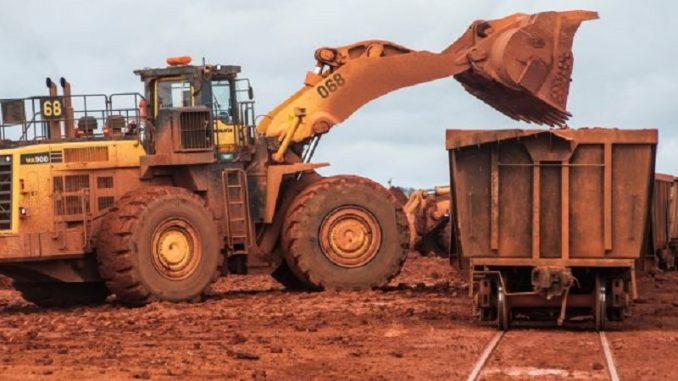
Rich in natural resources, Niger has embarked on a strategy to harness its mining potential and turn it into a driver of development. Among its flagship initiatives is the Salkadamna coal complex, a large-scale project designed to sustainably meet the country’s and the subregion’s energy needs. With a modular electricity production capacity estimated at 5,200 MW, the project stands as one of the largest thermal energy ventures in West Africa.
The primary goal of the complex is to reduce Niger’s dependence on energy imports, which still cover a significant portion of its consumption. By developing its own infrastructure, the country aims not only to secure its electricity supply but also to foster industrialization and boost the competitiveness of its economy. Locally mined coal will be converted into energy, ensuring better cost control and greater resilience against international market fluctuations.
Beyond domestic needs, the Salkadamna project also carries a regional integration dimension. Its projected output will allow, in the long run, electricity exports to neighboring countries, thereby contributing to subregional energy interconnection. This approach reflects Niger’s ambition to play a leading role in building a more autonomous African economic space, less dependent on external actors.
On the social and economic front, the project is expected to generate thousands of direct and indirect jobs, revitalize surrounding communities, and create opportunities for youth and women. The expected benefits also include the development of related infrastructure such as roads, housing, and services, contributing to the structural transformation of the territory.