Niger: Civil service reform, government employees soon to be evaluated on their performance
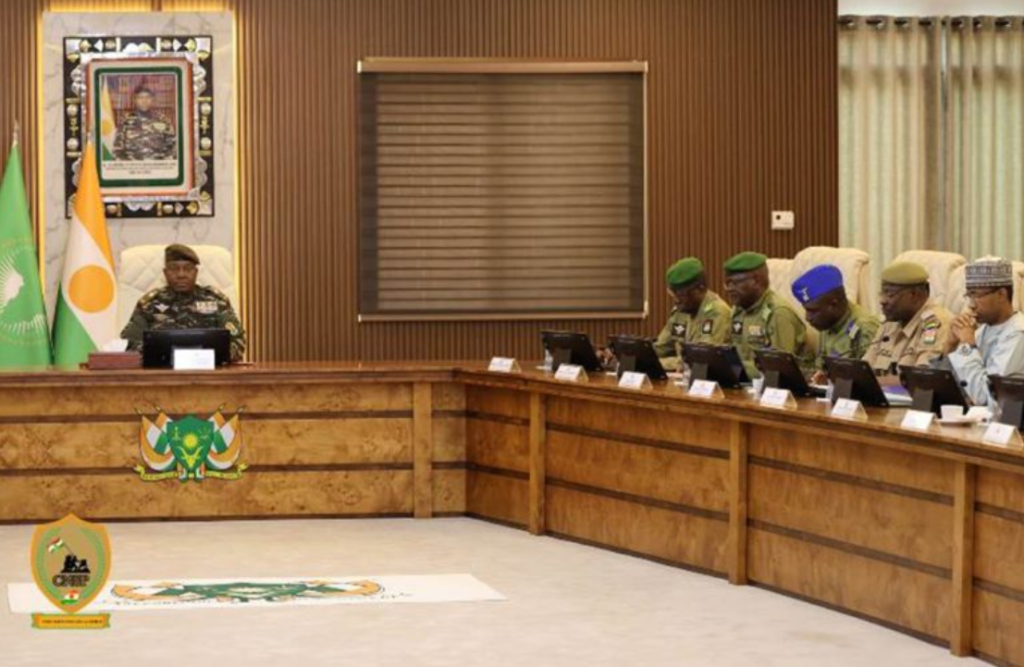
The Government of Niger announced, during the Council of Ministers held on Thursday, September 4, 2025, a major reform concerning the management of state human resources. From now on, civil servants will be evaluated annually based on their individual performance.
This decision, part of the implementation of the General Statute of the Civil Service, aims to establish a culture of performance within the public administration. The draft decree reviewed and adopted by the Government outlines the content, format, and tools of this evaluation. It also defines the practical methods for measuring each employee’s contribution to the missions of their department.
In practice, every civil servant will undergo an annual assessment that considers their output, efficiency, and involvement in their administrative unit. At the end of this process, an individual interview will be held between the employee and their direct supervisor. This exchange will be recorded in an official evaluation report, ensuring transparency and traceability of the system.
According to the Government’s statement, this reform is part of a broader effort to modernize the state. Its goal is to “equip Niger with a more efficient administration, oriented towards meeting the public interest and improving public services.”
Alongside this measure, the Council of Ministers also adopted an amendment to the law governing the General Statute of the Civil Service. This revision raises the retirement age from sixty (60) to sixty-two (62). The change applies not only to the age required for recruitment into the civil service but also to the maximum age for reclassification and for retirement with immediate pension benefits. Through these reforms, the Nigerien government seeks to strengthen civil servants’ motivation, improve career management, and respond more effectively to citizens’ needs.