Togo: Moving toward food sovereignty through agricultural modernization in ZAAPs
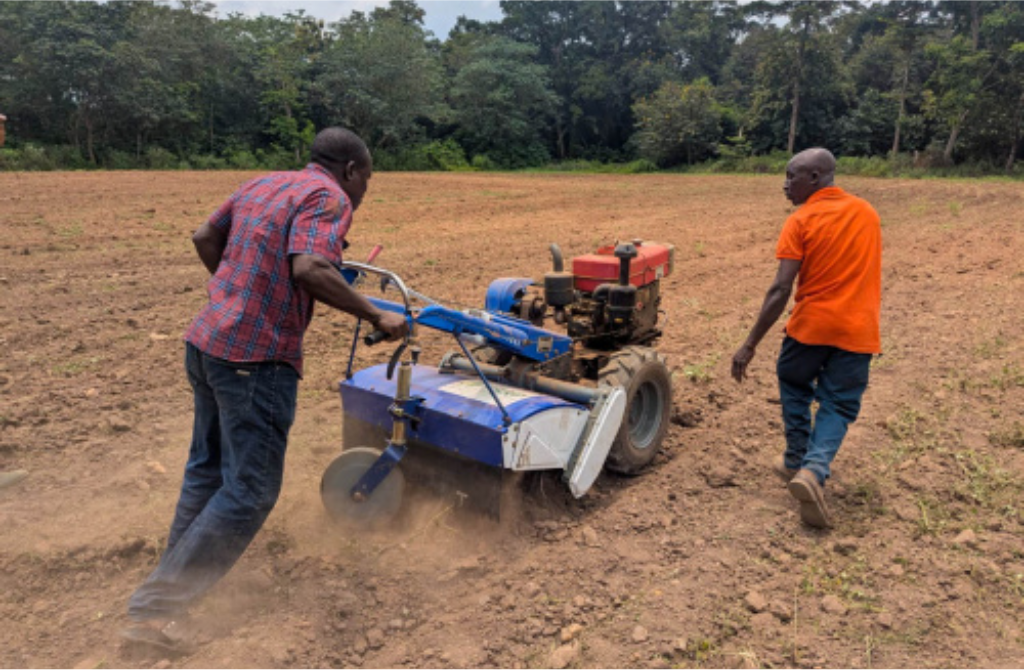
At the heart of the structural transformation driven by the Togolese government, agriculture occupies a strategic position. In recent years, there has been a clear political will to make this sector a pillar of national economic and food sovereignty. Recently, agricultural cooperatives within the Planned Agricultural Development Zones (ZAAP) received 60 power tillers in the Savanes, Kara, and Centrale regions to modernize and mechanize farming, in line with the government’s vision of making Togolese agriculture modern and competitive.
Behind this logistical move lies a long-term vision: strengthening agricultural value chains, improving the resilience of rural farms, and unlocking the productive potential of local lands. The West Africa Food System Resilience Program (FSRP), in which Togo is actively involved, thus serves as a lever to translate national strategy into tangible results.
Far from being a simple distribution of equipment, this action reflects a deliberate political orientation toward food self-sufficiency as the foundation of sovereignty. By providing farmers with modern tools, the government is giving them the means to move from subsistence farming to productive, profitable, and market-oriented agriculture — targeting both domestic and regional markets.
The ZAAPs, as catalysts of this transformation, are becoming laboratories for Togolese agricultural modernization. These initiatives, consistently carried forward, are shaping a new Togo — one that produces, processes, and exports; a Togo making the strategic choice of sovereignty through action.