Burkina Faso: Rice prospects, between local production and food sovereignty
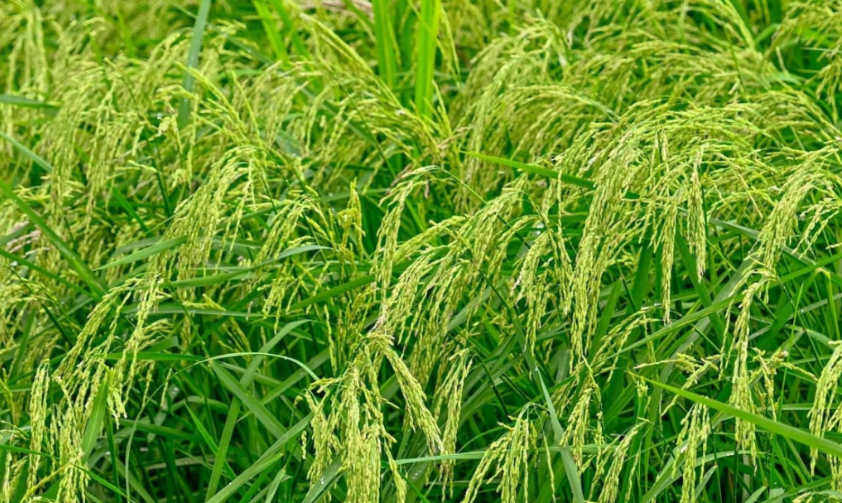
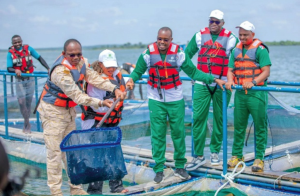
Through its rice program, Burkina Faso harbors ambitious goals to strengthen food security and improve the livelihoods of producers. The recent visit of Prime Minister Rimtalba Jean-Emmanuel Ouédraogo to a rice-growing plain clearly illustrates the government’s determination to make rice a strategic lever for agricultural and economic development.
According to the Prime Minister, the rice fields currently show very promising conditions, suggesting satisfactory harvests. Out of an estimated production potential of 4,000 tons, nearly 2,500 tons are expected for the current campaign. While these results fall short of full potential, they already offer relief for the 927 producers engaged in this activity. They also reflect ongoing efforts to modernize and rehabilitate rice-growing infrastructure across the country.
The Prime Minister has given clear instructions to the Minister of Agriculture: maintain the momentum of rehabilitating rice plains and accelerate their recovery to fully exploit their potential. This guidance reflects a long-term vision: to make Burkina Faso not only self-sufficient in rice but also a competitive player in the sub-region.
The stakes of this program go beyond production figures. As a staple food, rice plays a central role in the diet of Burkinabe people. Increasing local production reduces dependence on imports, stabilizes market prices, and strengthens resilience against food crises. For producers, it also provides opportunities to improve incomes and showcase their expertise under more modern and productive conditions.
Moreover, reviving the rice sector stimulates the rural economy. Related activities such as processing, storage, marketing, and transport create new employment opportunities, particularly for youth and women. In the medium term, this could reinforce social cohesion and stabilize vulnerable areas by offering sustainable economic alternatives.
Although challenges remain—such as access to inputs, mechanization, and sustainable water management—the prospects offered by the rice program inspire real hope. With coherent policies, technical support, and the engagement of producers, Burkina Faso can develop a competitive and sustainable rice sector.