Mali: Sovereign digitization of the administration, a strategic lever for national renewal
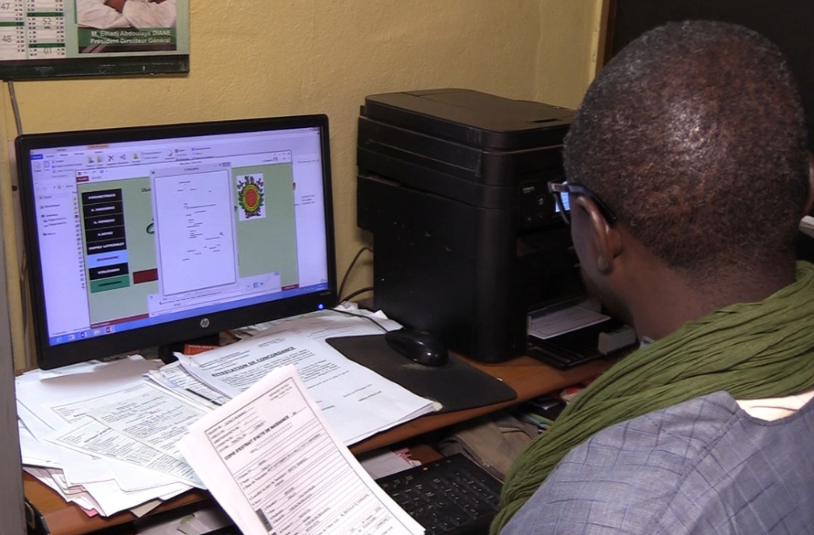
Mali has taken another decisive step in mastering its governance tools with the presentation, on Tuesday, September 16, 2025, of six locally designed digital solutions. These innovations mark a clear break from past practices of technological and administrative dependency and align with the strategic vision of Malian President General Assimi Goïta, for a resilient and autonomous Mali on all fronts.
In key sectors such as transport, health, and territorial administration, these digital tools address real needs: traceability of transport documents, intelligent toll management, improved public revenues, secure handling of administrative data, and smoother hospital procedures. The Sigui-Dolo system, digitalized toll stations, ANASER’s mobile payment app, the OpenClinic hospital system, and the SIGIP platform for prefectural governance are all designed to make administration more efficient, citizen-centered, transparent, and performance-oriented.
These solutions facilitate access to public services, reduce corruption through digital traceability, improve state resource management, and save citizens valuable time. At the Massala toll station, revenues have more than doubled since digitalization—evidence that digital transformation can be a powerful driver of economic sovereignty.
This highly political progress reflects President Goïta’s determination to break away from postcolonial systems of domination and to build a governance model rooted in local realities, driven by domestic expertise, and geared toward Mali’s sovereignty.
By developing these tools in Mali, with Malian engineers, the country demonstrates that it is not waiting for outside salvation—it is acting, innovating, and building. These systems strengthen state resilience, structure the national economy, secure public finances, and contribute to shaping a strong, just, and respected Mali.