Burkina Faso: Economic sovereignty, when the state regulates imports and exports to add value to local products
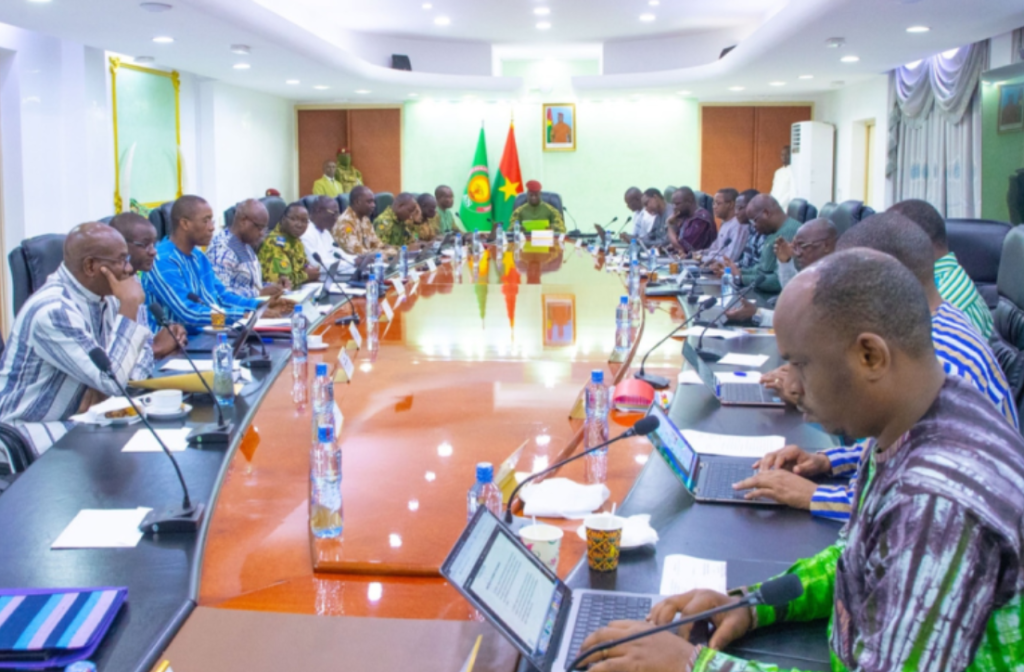
The Government of Burkina Faso has adopted a new draft decree establishing the list of products subject to Special Import Authorization (ASI) and Special Export Authorization (ASE). This measure, following the revision of Decree No. 2024-0333/PRES-TRANS/PM/MDICAPME/MEFP of March 28, 2024, represents a significant step in protecting the national economy and promoting local production sectors.
The revision was necessary to address several key objectives. First, expanding the list of covered products allows for better regulation of foreign trade and protects the domestic market from external competition. Second, it aligns with the new law on plastic packaging and bags, reflecting Burkina Faso’s commitment to harmonizing economic policies with environmental obligations. Among the major innovations, three new products are now subject to ASI: non-alcoholic beverages, non-alcoholic energy drinks, and energy drinks without alcohol. Their inclusion aims to better regulate imports of high-demand products while encouraging local processing and production initiatives.
On the export side, eight strategic products are now under ASE: rice and its derivatives, soybeans, peanuts with shells, shelled peanuts, tomatoes, onions, fresh mangoes, and raw honey. These sectors were chosen for their high potential to generate substantial revenue and improve the trade balance. Regulation will ensure better monitoring of export volumes and protect the interests of local producers.
Beyond regulatory aspects, this decree reflects a broader vision: the autonomous and structured financing of agricultural, pastoral, and fisheries sectors. It not only controls trade flows but also builds sustainable levers for the national economy. For the people of Burkina Faso, this decision offers tangible benefits by enhancing the value of local production, promoting job creation, and contributing to food security. By strengthening the competitiveness of domestic sectors, Burkina Faso takes a decisive step toward a more resilient and sovereign economy.
The adoption of this decree is more than an administrative measure; it is a forward-looking economic governance act that places the people’s interests at the center and charts the path for sustainable, inclusive, and sovereign development.