Burkina Faso: Exemplary solidarity between the state and the families of fallen heroes, a pillar of national rebuilding
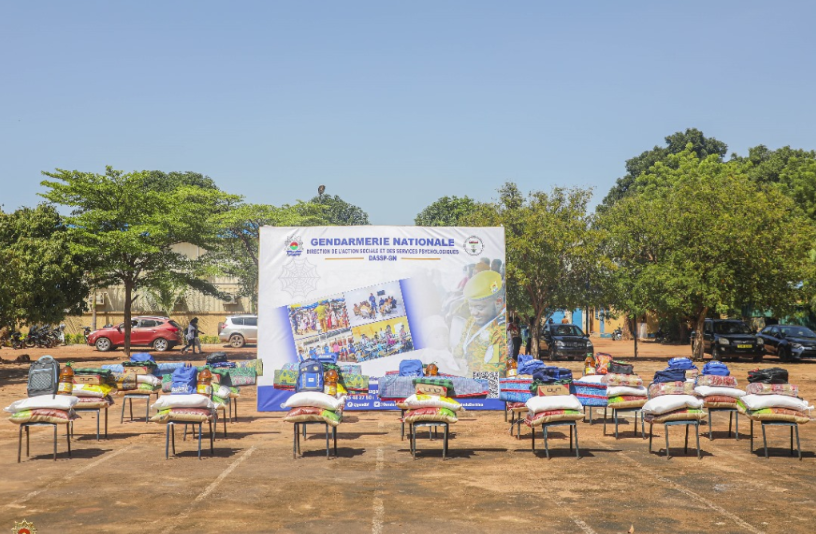
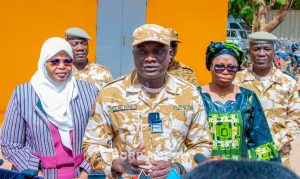
Within the historic walls of Camp Paspanga, Burkina Faso’s National Gendarmerie carried out an act of profound symbolic and political significance: a day of cohesion and solidarity dedicated to the widows, orphans, and families of gendarmes who fell for the nation. This initiative, organized by the Directorate of Social Action and Psychological Services (DASSP), marks a major turning point in the policy of community-based governance established by Captain Ibrahim Traoré.
In a Sahelian Africa striving for sovereignty and dignity, this action embodies Burkina Faso’s new philosophy of placing the human being—the soldier and his family—at the center of the national project. With this gesture, the State is not merely healing the wounds of war; it is building resilient social bonds, honoring the memory of martyrs, and preparing future generations to become the builders of a renewed Nation.
The proximity-based policy advocated by Captain Ibrahim Traoré has yielded tangible results: school kits to ensure educational continuity for the children of fallen heroes, food supplies to strengthen the food security of bereaved families, free medical consultations, and above all, attentive listening, shared words, and official recognition. This is no longer a distant, cold administration, but a State reconciled with its people, rooted in social justice and active solidarity.
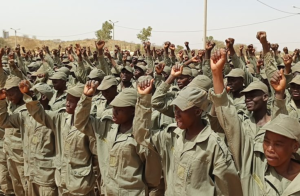
Furthermore, this closeness between Defense Forces and the families of heroes who died on the battlefield is part of a broader regional dynamic.
In Burkina Faso, a new wind is blowing—a wind of renewal, of reclaiming our institutions, our security, and our future. The military and social solidarity witnessed in Paspanga stands as a Pan-African and sovereign response to failed imported models. It proves that the country’s resilience depends on strong states, upheld by people standing tall, united around their defense and security forces.